The first year of the Samaan Aawaaj / Equal Voice project has demonstrated the power of local leadership, collective action, and inclusive participation in strengthening democratic spaces in Nepal and Bangladesh.
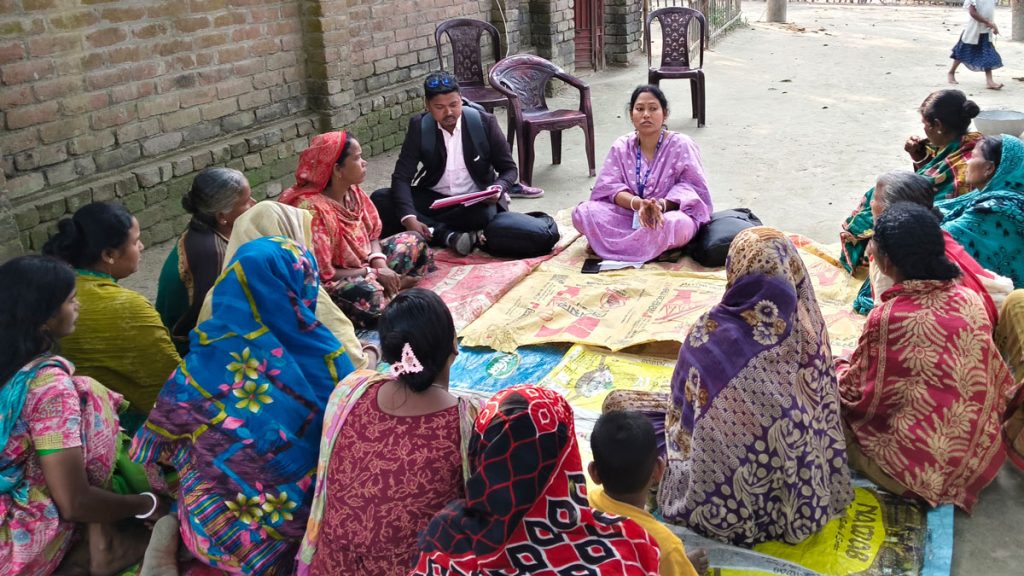
Led by Coady Institute in partnership with The Story Kitchen and DidiBahini in Nepal and the Christian Commission for Development in Bangladesh (CCDB), the project works alongside grassroots, Dalit, Indigenous, and religious minority women to strengthen leadership skills, increase participation in local governance, and promote more inclusive decision-making processes.
%
Women participants
%
Women trained reported increased leadership capacity
%
Women surveyed after 6 months had engaged in governance in new ways
Additional people reached through peer learning
Despite operating in a period marked by elections, political transition, economic pressures, and climate-related challenges, the project achieved encouraging early results. Nearly 1,000 people participated in project activities, including leadership training, peer-learning networks, dialogues, and community accountability initiatives, with women representing more than 70 per cent of participants.

LEADERSHIP
Women gained confidence and leadership skills.
GOVERNANCE
More women engaged with local government.
COLLECTIVE ACTION
New community groups mobilized around local issues.

VOICE & INCLUSION
Marginalized women entered decision-making spaces.
Women leaders reported increased confidence, stronger leadership skills, and greater engagement with local governance processes. Participants also began building new relationships with local government representatives, helping to create pathways for more inclusive and responsive decision-making.
Pranjali Singh, Program Manager at Didi Bahini, noted how wonderful it was to see local government officials and community members sitting together discussing the leaders they want to be.
“It was powerful to see people who do not often share these kinds of conversations sitting together, listening to one another, and imagining a different kind of leadership.” Pranjali says. “In those moments, you could feel that change was not only possible – right there it felt clear that these were the first steps.”
The newly released Year One Impact Snapshot highlights these early achievements. While the project is still in its early stages, the results point to growing momentum as women and marginalized communities strengthen their voices and participation in shaping the future of their communities.
As Samaan Aawaaj moves into its second year, partners will continue building on these foundations, focusing on amplifying grassroots leaders’ voices through partnerships with local professional media and citizen journalists, and creating spaces for community leaders to influence decision making at the local government level. The work to support inclusive leadership, strengthen democratic participation, and advance gender equality across Nepal and Bangladesh continues.
BANGLADESH
- 45 collectives formed
- Initial meeting with local authorities
- Women leading community priorities and dialogue
NEPAL
- 158 local government representatives trained
- Women participating in forums and advocacy
- Strengthening inclusive governance practices