This year marks the 10th anniversary of the Truth and Reconciliation Commission’s (TRC) final report on the history and legacy of the residential school system here in Canada. The TRC was created to educate people about what happened and document the truths about survivors, their families, communities and anyone personally affected by the residential school experience.
The commission spent six years crisscrossing Canada hearing from more than 6,500 witnesses and hosting seven national events. In June 2015, the TRC held its closing event in Ottawa and presented the executive summary of the findings contained in its multi-volume final report, including 94 calls to action to further reconciliation between Canadians and Indigenous Peoples.
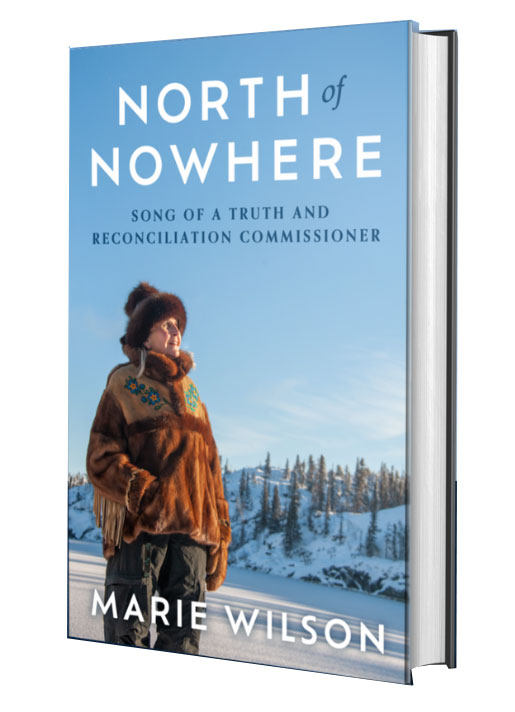
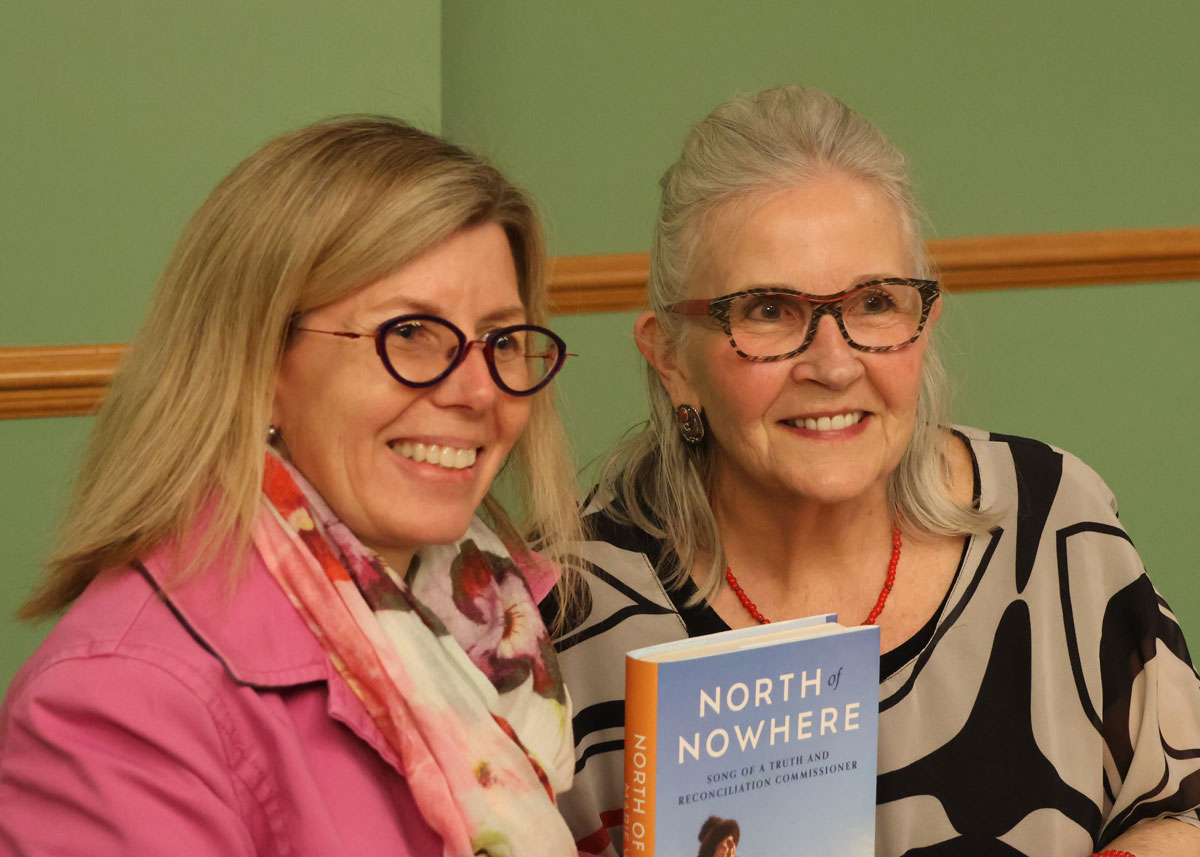
Dr. Marie Wilson served six and a half years as a TRC Commissioner, and she recently visited Coady Institute to share her experiences. The visit was part of her Atlantic book launch tour of North of Nowhere: Song of a Truth and Reconciliation Commissioner. In the memoir, Marie brings a unique lens to the nation’s history, reconciliation journey, and the enduring weight of memory.
“The truth is not just a historical record,” Marie says. “It’s something we still live through; something that still shapes who gets heard and who gets hurt.”
Coady Institute Executive Director Eileen Alma moderated the evening which welcomed people from the St. Francis Xavier University (StFX) and the Antigonish community. The evening began with a smudging ceremony led by former Chief of Paqtnkek Mi’kmaw Nation and StFX Knowledge Keeper Kerry Prosper. Kerry welcomed and reminded attendees that reconciliation is not an abstract principle, but one rooted in land, culture, and responsibility.
“We all need to reconcile with the land, because the land holds the stories and spirits of our ancestors,” Kerry says.
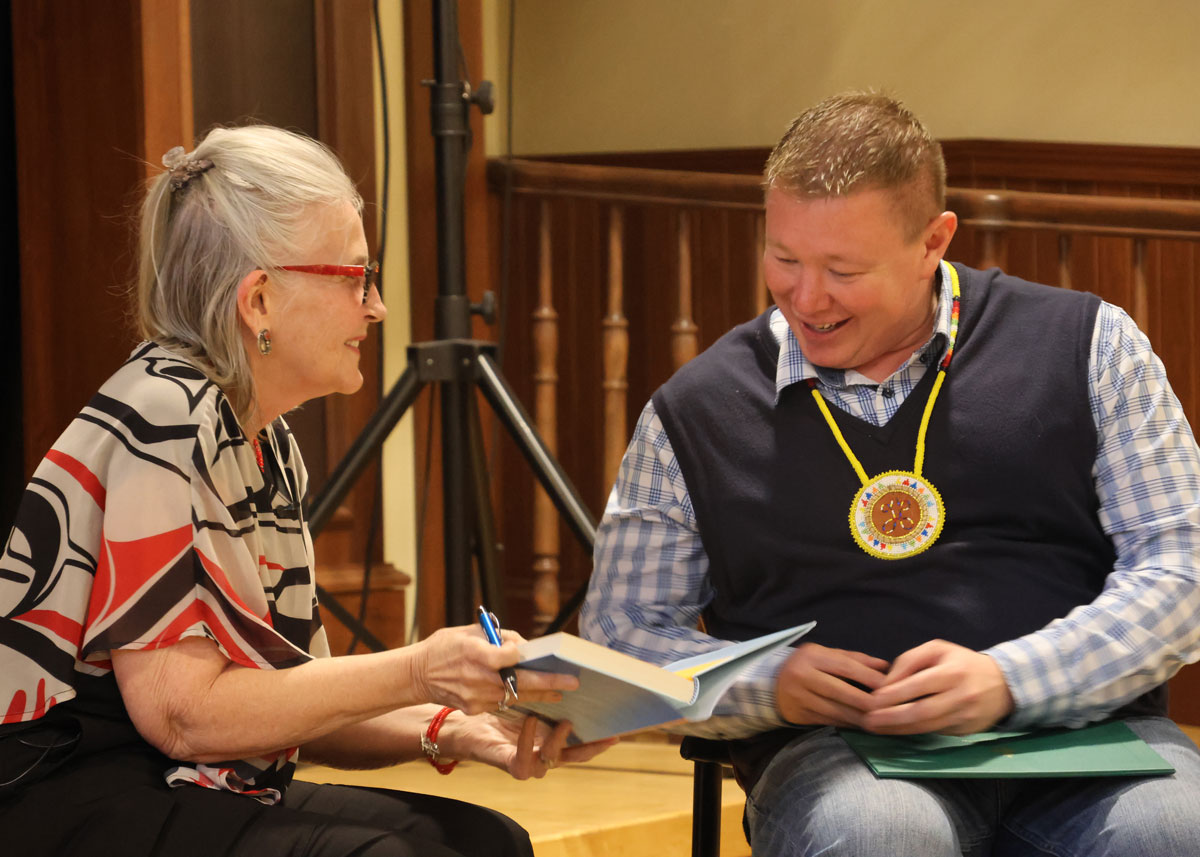
Following Kerry’s reflections, Cape Breton-Canso-Antigonish Member of Parliament Jaime Battiste spoke about the book’s relevance to the ongoing journey toward justice and introduced the TRC Commissioner.
“This book doesn’t offer comfort; it offers truth and that’s what we need,” Jaime says.
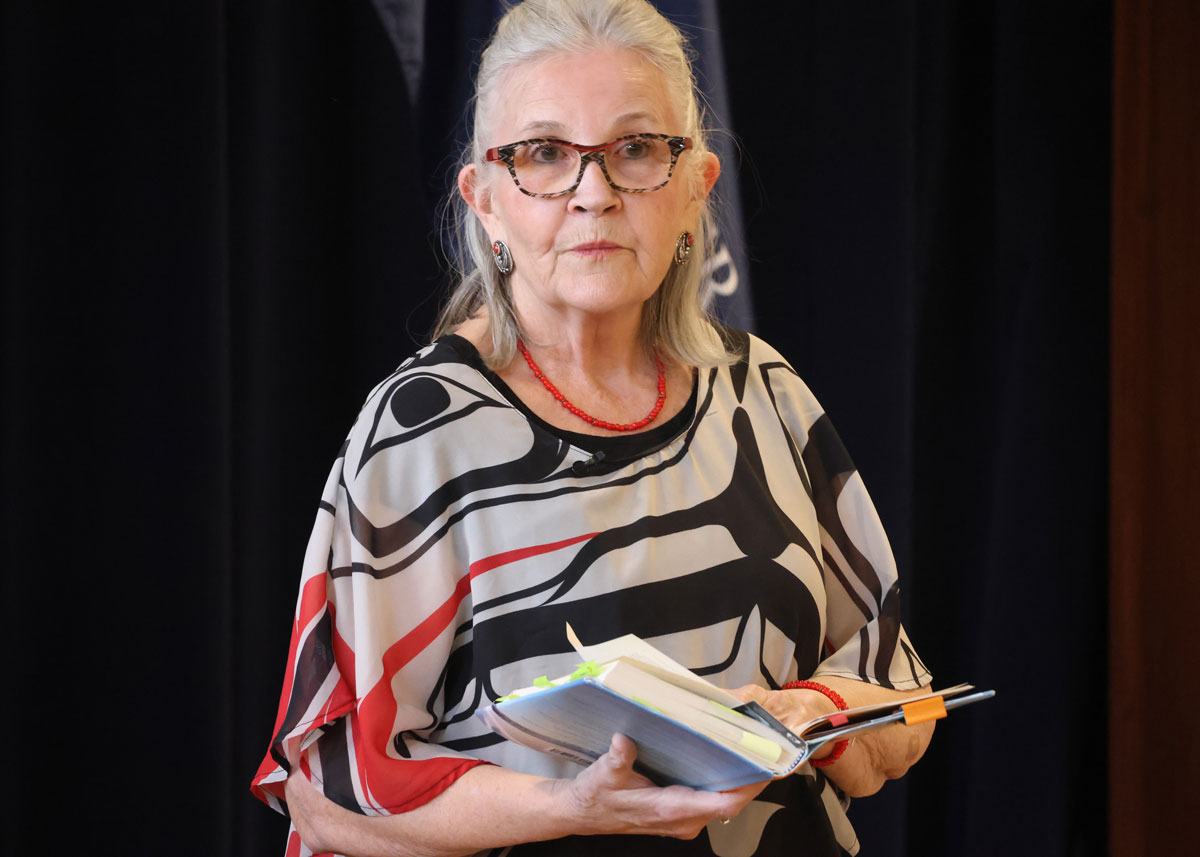
When Marie took the podium, the room quieted. With her signature blend of grace and clarity, she shared personal reflections from the book, which traces her years with the TRC and the legacy of colonial harm. She spoke candidly of her years listening to residential school survivors, and the emotional weight that comes with bearing witness.
“So often, people would say, ‘Thank you for listening,’ but I always felt like I should be the one thanking them, for trusting me with their pain.”
After a formal reading from the book, Marie expanded on the themes of justice, allyship, and the moral urgency of acknowledging the past during a conversation with Eileen. The evening closed with a Q&A where students and guests inquired on how to move beyond awareness into action.
One attendee asked about the risk of becoming “numb” to the truth. Marie’s response was measured but firm.
“Compassion fatigue is real, but silence is worse. We cannot afford to look away.”
Senator Mary Coyle offered a word of appreciation for Marie’s visit and reflections following the discussion. Eileen also thanked Marie and emphasized the importance of creating spaces for uncomfortable but necessary conversations. The event ended not only with applause, but also with a collective sense of responsibility.
Dr. Marie Wilson’s North of Nowhere is more than a memoir. As the evening made clear, it is a call to remember, to reckon, and to reimagine reconciliation not as a set of mundane actions, but as a shared, unfinished journey.