Education Programs
Katherine Fleming Women’s Leadership Course
Co-hosted between Coady Institute and The Nyapachuma Memorial Foundation
The Katherine Fleming Women’s Leadership Course is designed as a collaborative space for African women leaders, both experienced and emerging, to connect, learn, and grow. Over five days, participants will explore and apply practical tools and frameworks that strengthen leadership skills and drive action for economic agency, justice, and inclusion.
This immersive learning experience invites you to recognize and build upon your unique assets and gifts as a community leader while fostering a supportive network of peers. Together, we will focus on community-led, community-driven approaches to social change, enabling you to lead with confidence and create meaningful impact.
Katherine Fleming was a graduate of St. Francis Xavier University class of 1985. Katie was committed to human rights and defense of those rights on behalf of children everywhere. At the age of 35, while working as a programme officer for the United Nations Children’s Fund (UNICEF), she died at home in Tanzania in May 1999.
Family and friends created the Katherine Fleming International Development Award in loving memory of her lifetime dedication to supporting the elimination of child poverty in Africa. The reimagined award now brings African women together for the Katherine Fleming Women’s Leadership course held in an African country. These women are using their learning experience to further social change in their own organizations and communities.



APPLICATIONS CLOSED
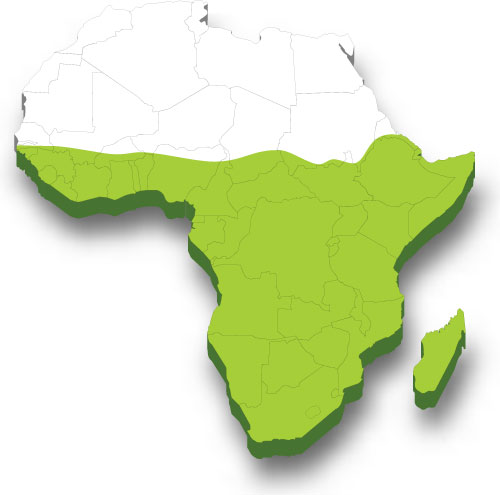
For persons from Sub-Saharan Africa who identify as women.
DATE
April 27 – May 1, 2026
FACILITATORS:
To be determined.
DURATION:
5 days
COURSE TYPE
In-Person
COURSE LOCATION:
Lusaka, Zambia
APPLICATION DEADLINE:
February 13, 2026
Who can apply
The course is for women from sub-Saharan Africa who are:
- emerging leaders from mid-level civil society organizations that align with co-operative movement, economic empowerment, protecting children, education, creating assets, health, and/or gender equality; and
- seeking to improve skills and capabilities required to enact economic agency so that women can build toward sustainable livelihoods.
Personal benefits
By the end of this course, participants will be able to:
- Apply Leadership Frameworks and Tools: Analyze and apply diverse leadership frameworks and associated tools to address challenges faced by women leaders.
- Identify Community-Based Practices for Change: Evaluate and propose community practices, values, and actions that support women’s leadership and contribute to socio-economic development.
- Reflect on Lived Experiences for Growth: Critically reflect on personal leadership experiences to identify at least three strengths and motivations that inform future practice.
- Create a Leadership Action Plan: Design and present a detailed action plan outlining steps to implement leadership initiatives within their context.
Time requirement
This is a 5-day in-person course. Participants will be given additional instructions upon acceptance.
Fees
Coady Institute ensures that participants working with marginalized communities around the world have access to its courses. This is made possible through the provision of bursaries that are funded by many individual and institutional donors.
Accepted participants to this course will receive a full bursary to cover tuition, accommodation, breakfast, and lunch in Lusaka, Zambia. All travel related expenses including airfare and visa fees, as well as travel cancellation and emergency medical insurance, are the responsibility of the participant. Participants are also responsible for their own dinner (excluding the provided graduation celebration dinner on the last night) and any personal expenses and incidental costs.
News
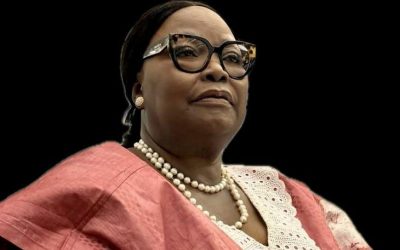
A Lifetime of Advocacy Through Women for Change
For more than two decades, Emily Sikazwe dedicated her life to advancing gender equality and the empowerment of rural communities in Zambia.
Warm Hearts, Wider Change
Warm Hearts Foundation in Uganda focuses on empowerment through practical tools. From cosmetology and beautification skills to backyard farming and legal literacy, the foundation builds pathways to dignity, income, and self-sufficiency.
ALUMNI BREAKFAST with COADY INSTITUTE
EVENT: Join us as we celebrate 25 years of the Katherine Fleming International Development Award.