Whose Knowledge Counts?
Reflections on a Collaborative Research Approach in Kenya
By: Marian Turniawan, Program Teaching Staff
In early February, I travelled to Gilgil, Kenya, to support a collaborative research process with partners and farmers involved in the Rural Women Cultivating Change (RWCC) initiative. RWCC supports rural women farmers through gender-transformative agroecology, leadership development, and action on gender-based violence, working to shift social norms and strengthen women’s agency, livelihoods, and climate resilience across Kenya, Ethiopia, and Tanzania. Alongside a colleague from SeedChange (the organization leading the project), I supported the co-development of a study exploring what gender-transformative agroecology looks and feels like through the experiences of farmers participating in the project.
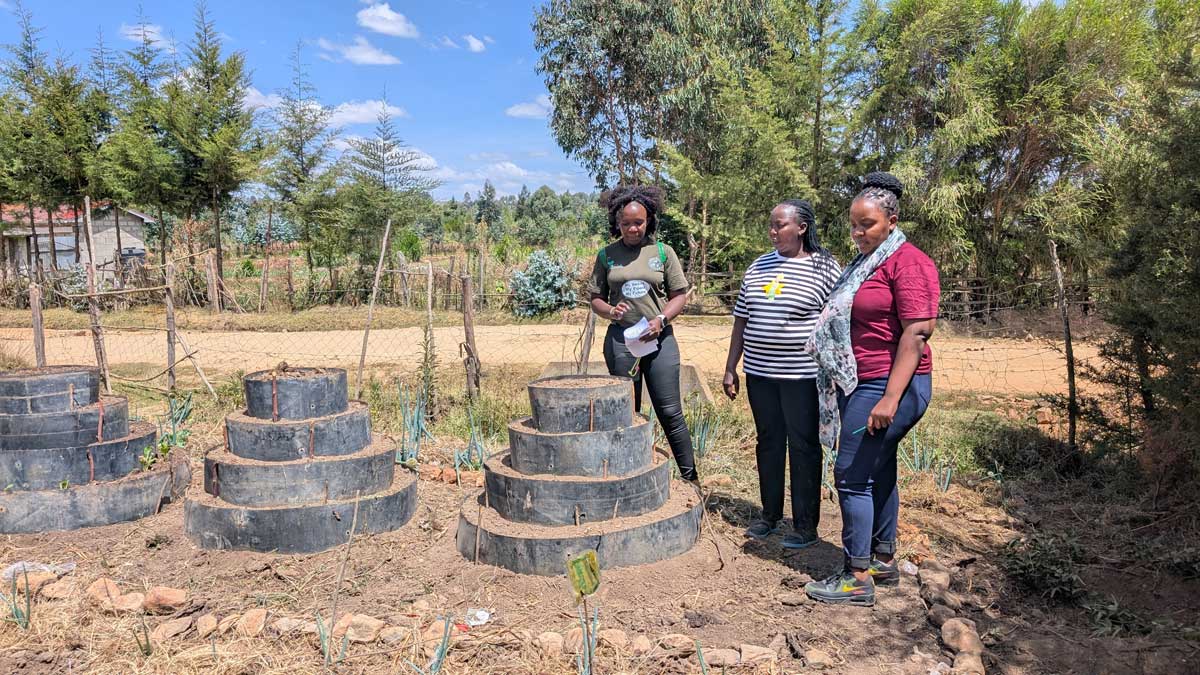
From the outset, staff from the three Kenyan partner organizations – Seed Savers Network (SSN), HIVOS, and GROOTS – emphasized that the work should be shaped by the insights and participation of lead farmers from Nakuru, Baringo, Kitui, and Laikipia – the four counties in which the project is being implemented. In response, a 16-member research team was convened, made up of eight lead farmers (two from each county), six partner staff (two from each organization), and two Canadian partner staff (from Coady and SeedChange). We gathered at SSN’s training centre in Gilgil for four days to co-develop the process, conduct interviews in Nakuru and Laikipia to test our approach and tools, and engage in collective sensemaking, reflection, and planning for next steps.
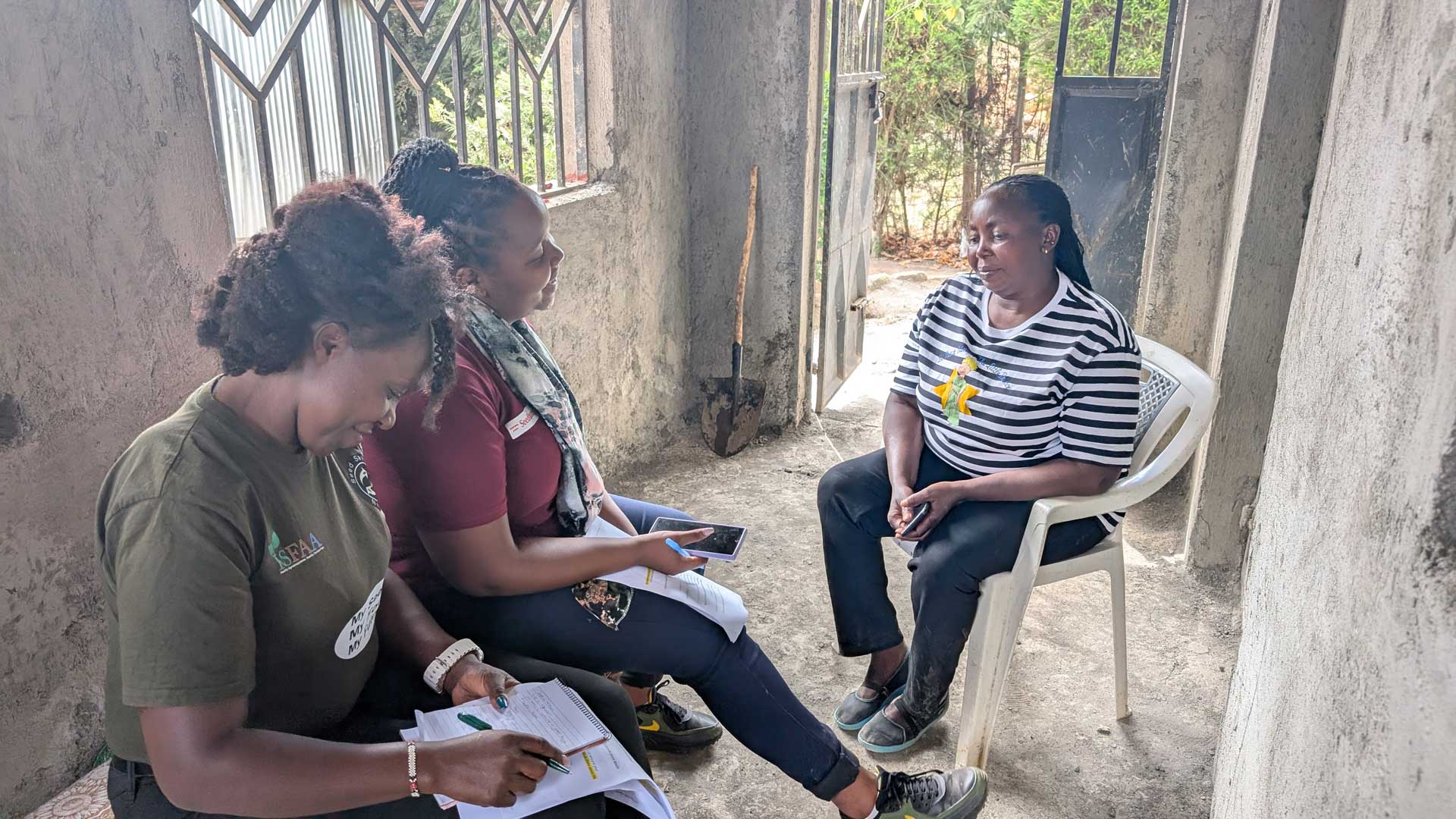
Farmer interviewing farmers
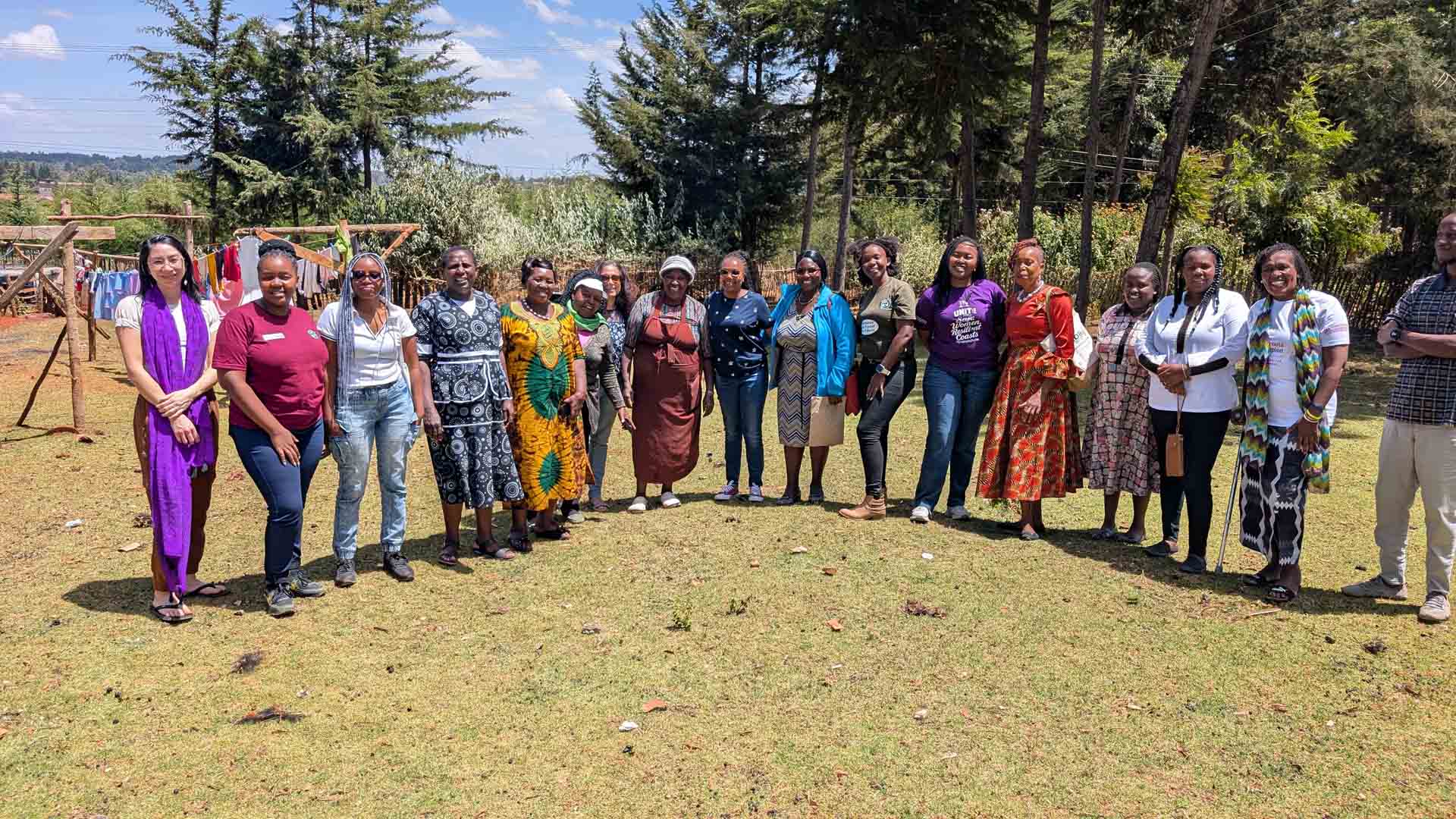
The research team
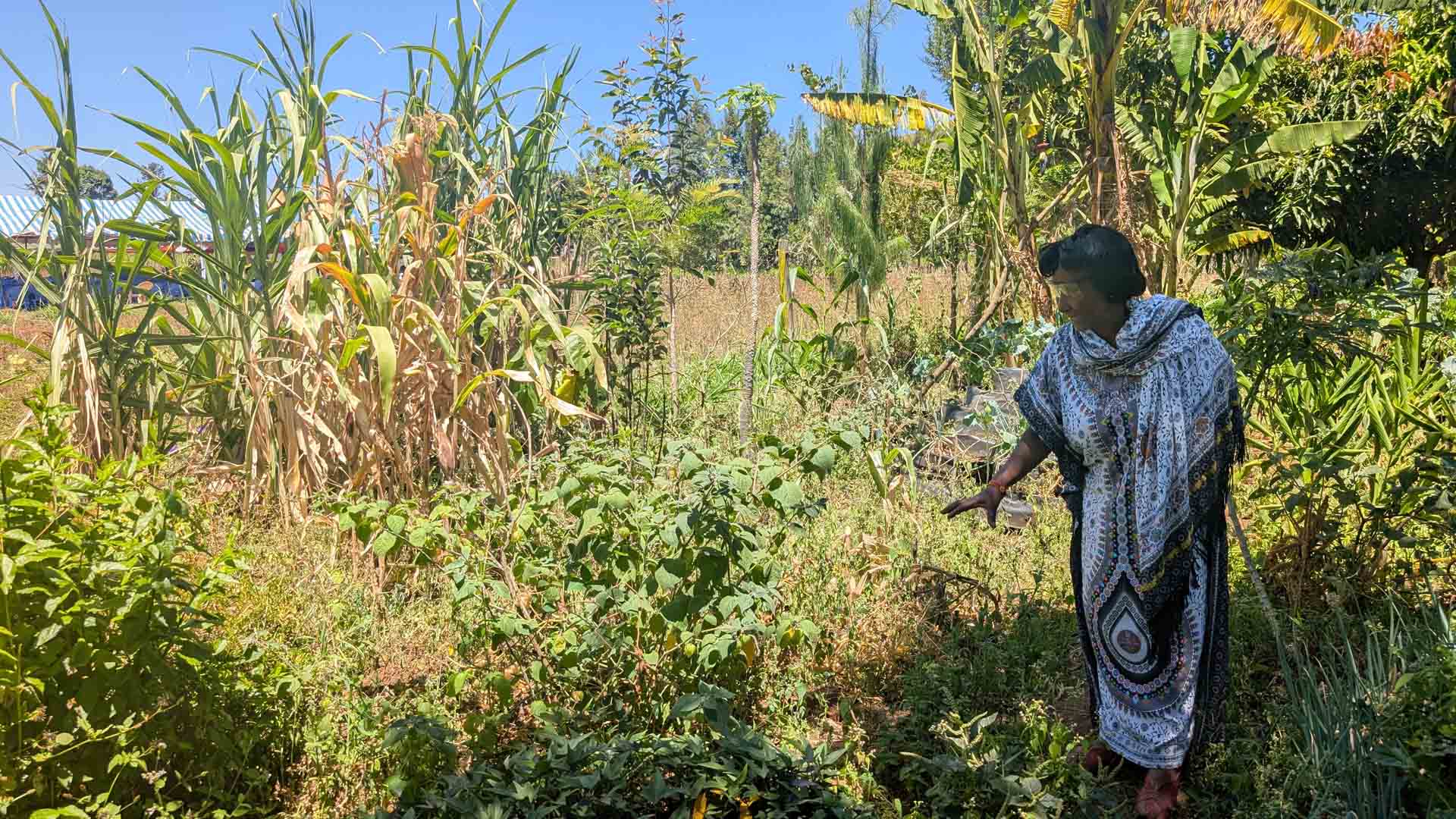
Farmer showing crops
Based on our research roles, my SeedChange colleague and I had initially been tasked with conducting a study to articulate RWCC’s approach to gender-transformative agroecology across the region. However, through discussions with partners, we shifted from a more conventional research approach to a collaborative one, recognizing the value of farmers’ expertise and experiences in shaping the process as members of the research team, rather than having them participate only as interviewees.
We began the first day by mapping the strengths, skills, and knowledge of the group, discovering that many team members already had skills in interviewing and data analysis in various settings. We also drew on farmers’ and partners’ deep contextual knowledge to shape the research questions, interview guide, and data collection approach.
Data collection teams consisted of both farmers and partners, so each group could lend their insights and adapt follow-up questions during the semi-structured interviews. By the end of the week, we had conducted 10 interviews in Nakuru County and four in Laikipia. To complete the data collection, farmer researchers will continue conducting interviews in Laikipia, Baringo, and Kitui, guided by the approach we developed together. The team will then reconvene for a writeshop to collectively analyze findings and shape outputs.
During our closing reflections, one team member spoke candidly about their initial uncertainty around how the process would unfold, given past experiences with external researchers leading studies that had felt extractive and failed to recognize local expertise. They expressed appreciation for the way the group worked together, and the respect shown for farmers’ knowledge and skills throughout the process. This reflection underscores the need to examine whose knowledge is valued in research – and who gets to decide. It also points toward a different way of working: one that begins with listening, builds from the knowledge already present, and treats research not as extraction, but as a shared process of meaning-making. While the study is still in its early stages, it offers important insights into what knowledge co-creation can look like in practice, and a reminder that meaningful research is not just about what we learn, but how we learn – and who is recognized as a knowledge holder along the way.
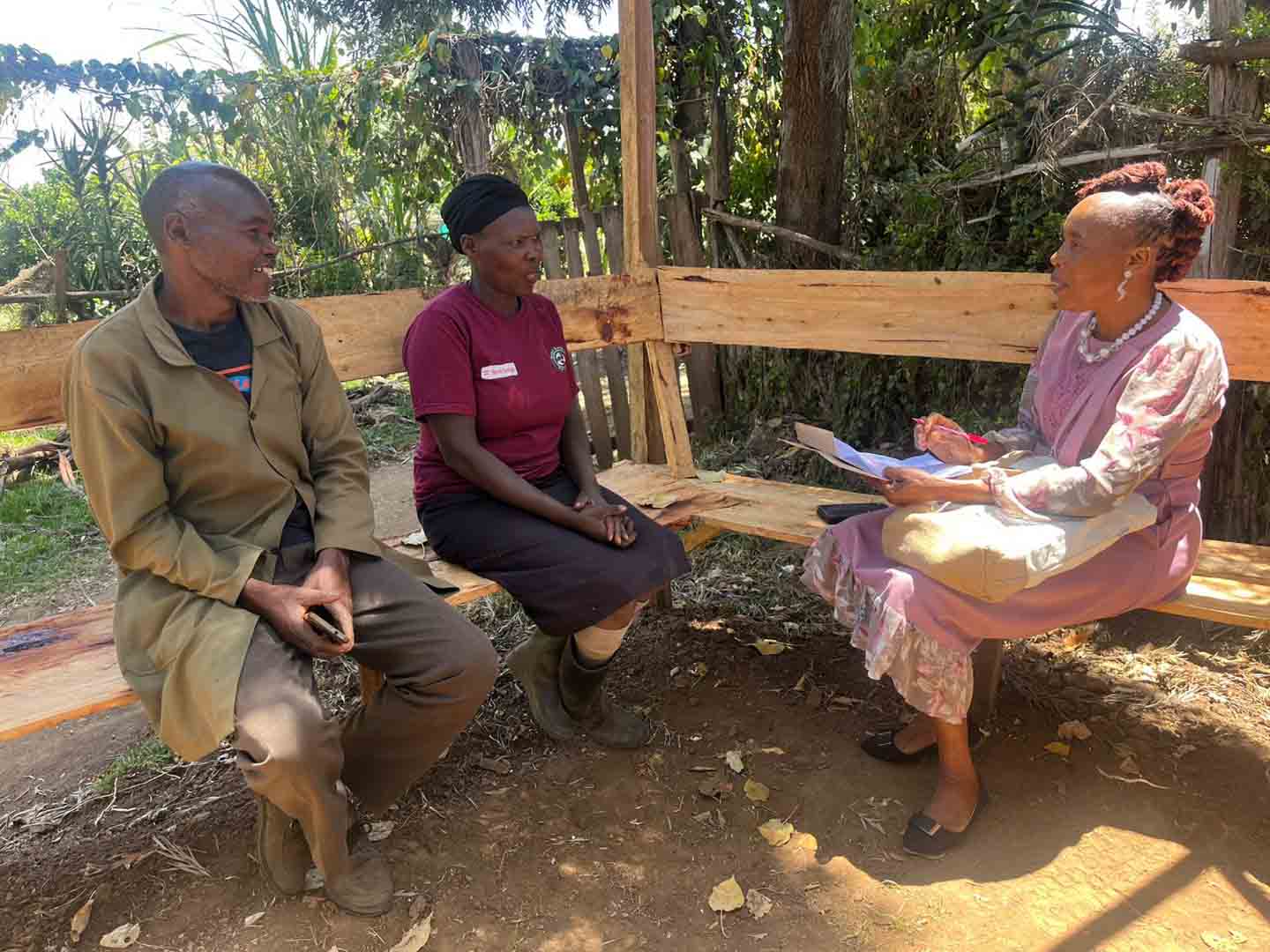
Farmer interviewing farmers
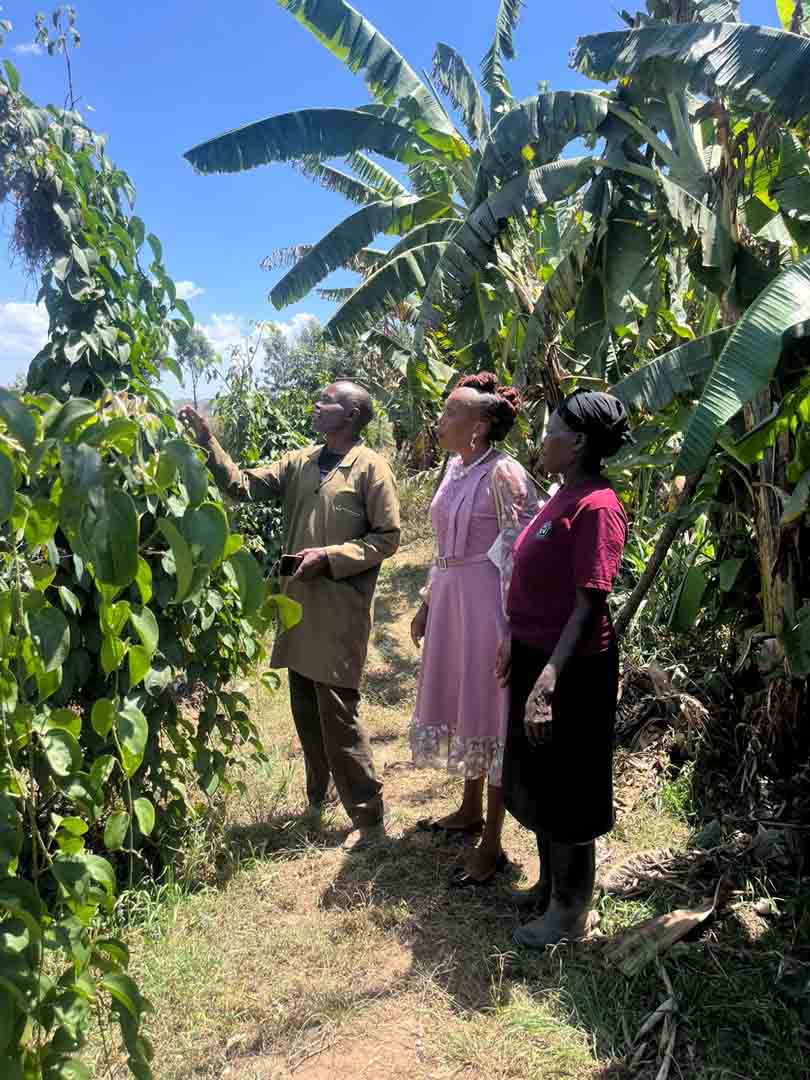
Farmer showing crops to farmer interviewer