The Alliance Bioversity International
CIAT and Coady Institute Host Forum
Can global carbon markets effectively support community-led agriculture and biodiversity conservation?
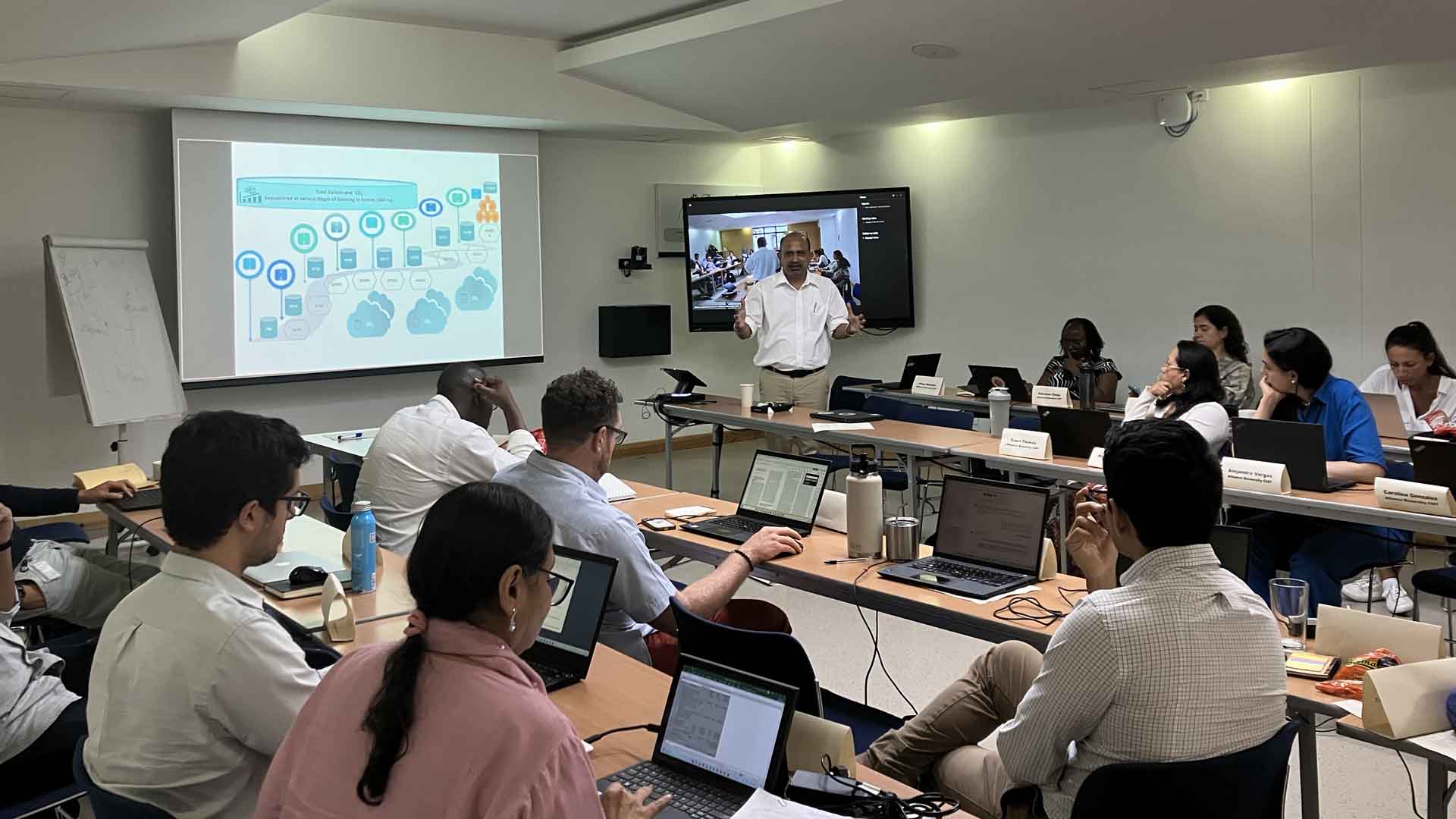
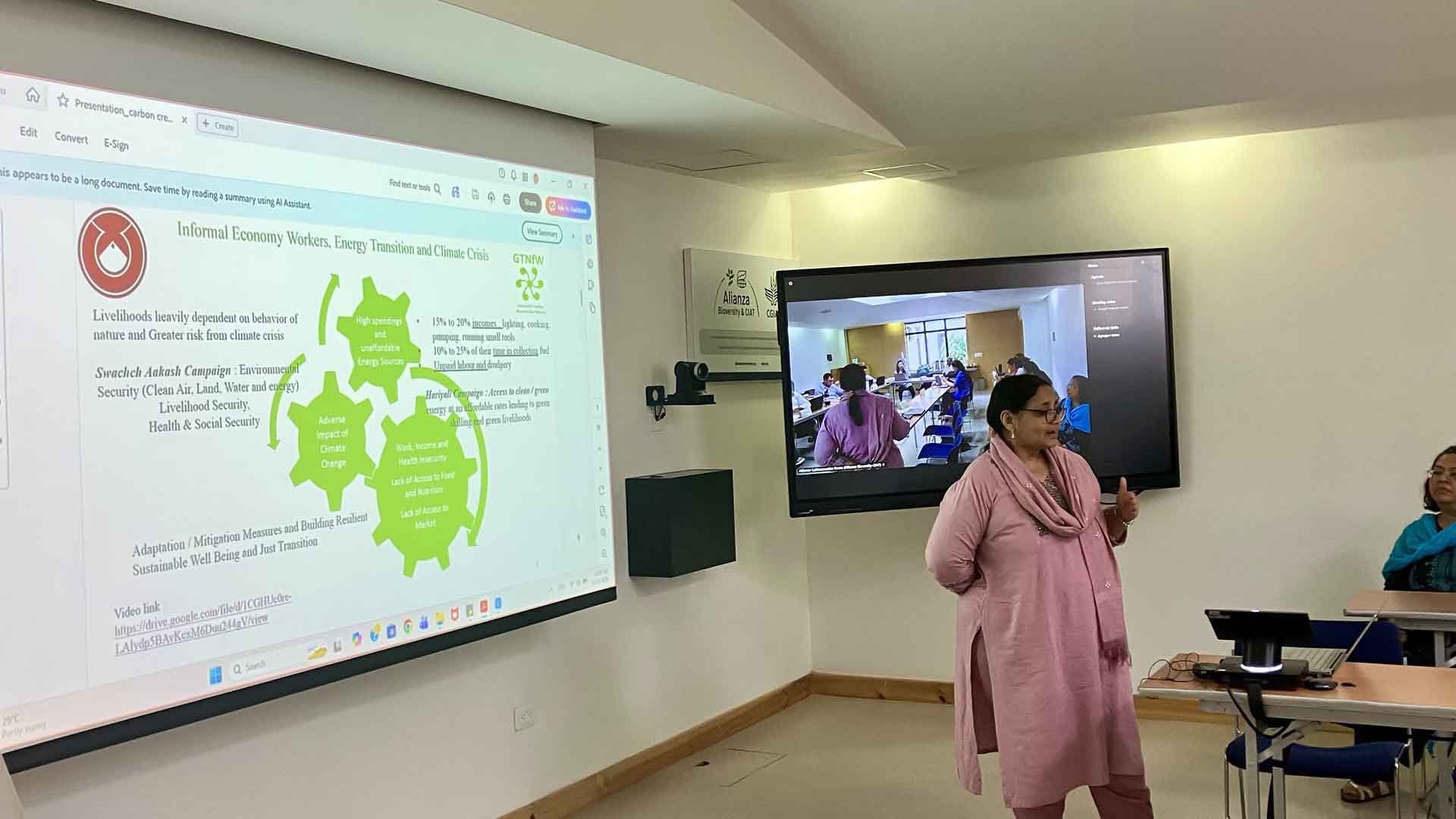
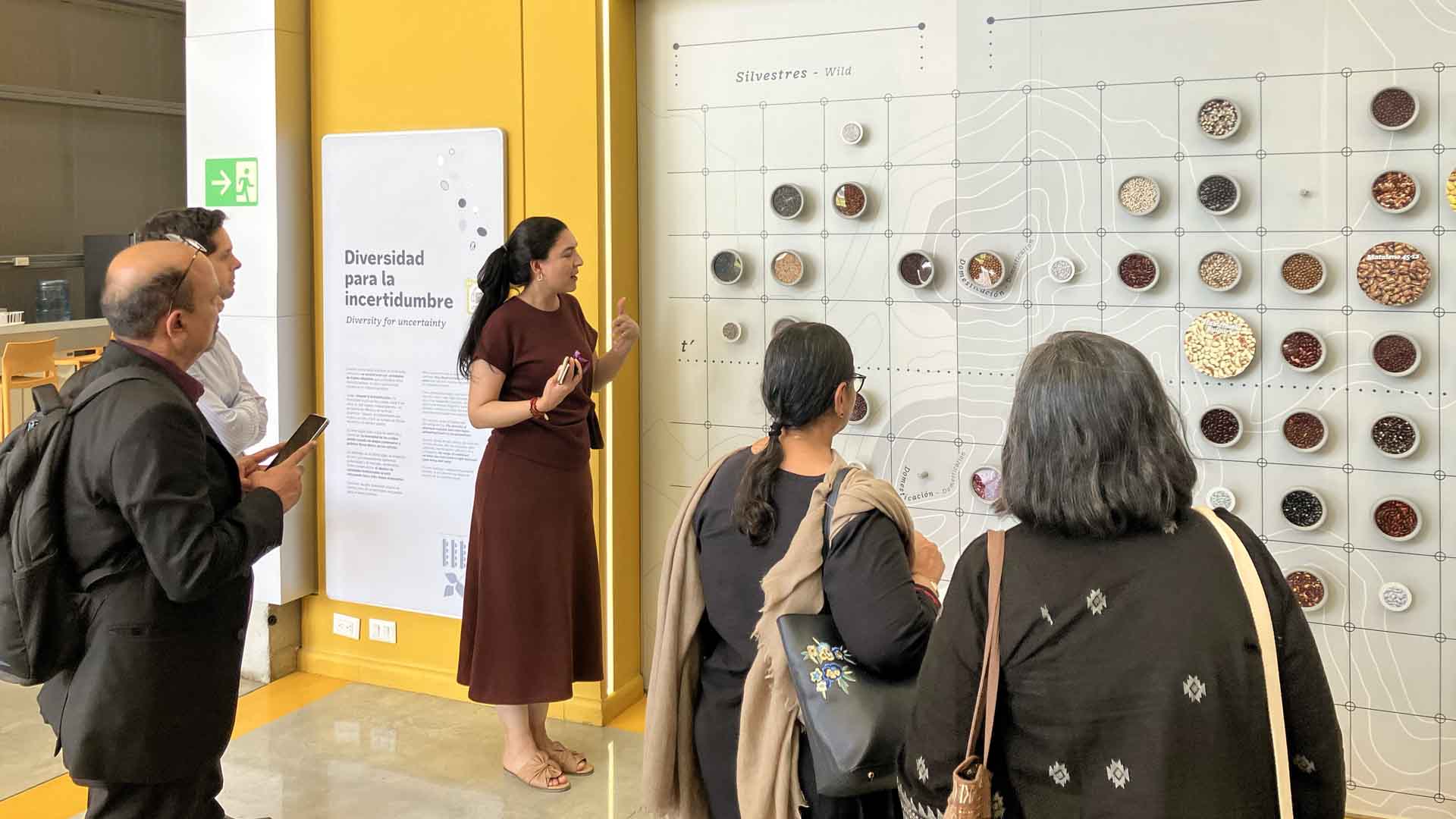
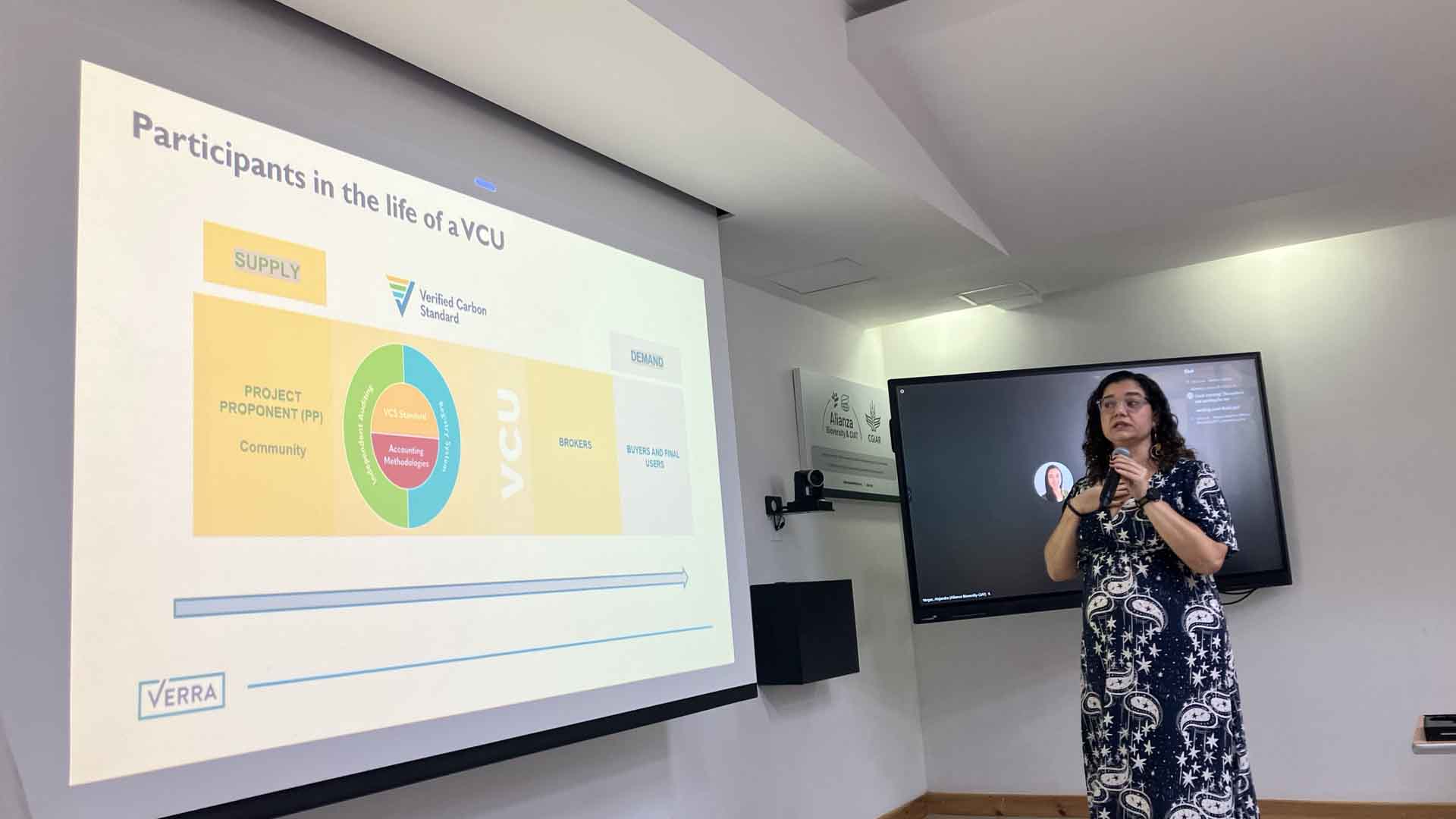
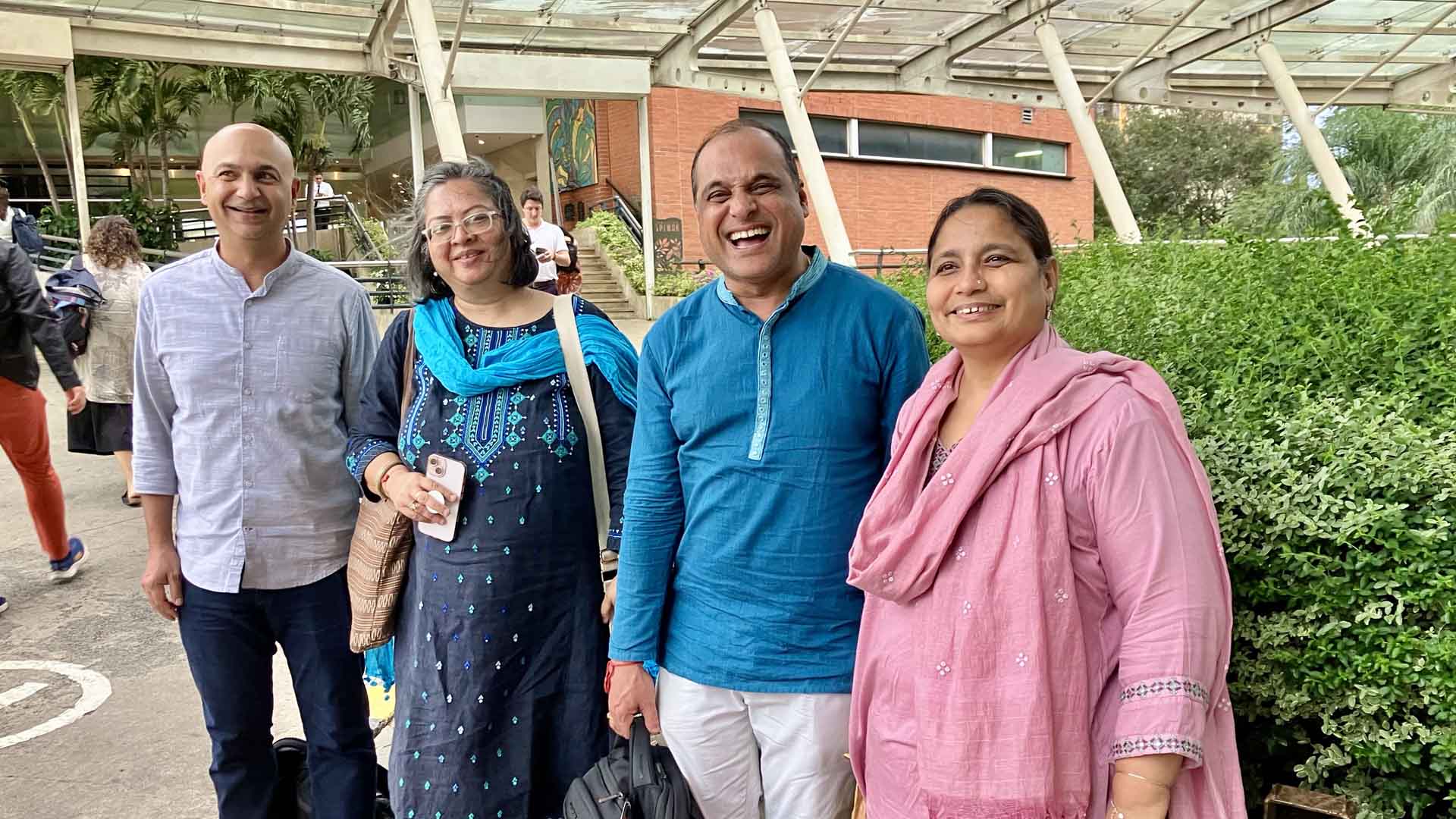
This critical question sat at the heart of the Community Carbon and Biodiversity Credit Markets Forum, held from March 9 to 11 at the Alliance Bioversity-CIAT Regional Office at Cali, Colombia.
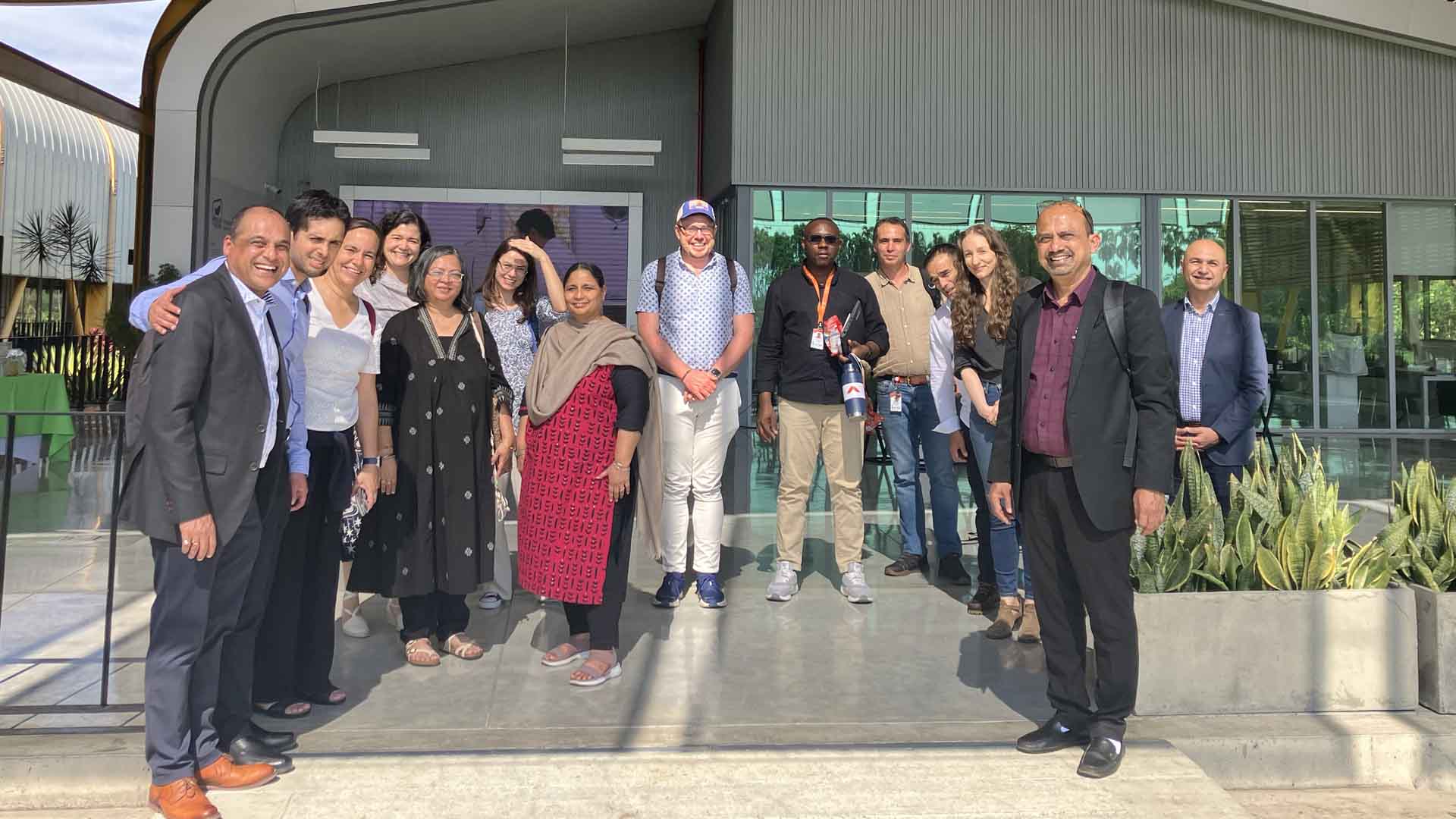
The forum was a strategic collaboration between The Alliance Bioversity International-CIAT and Coady Institute. Led by Coady staff member Yogesh Ghore, Farouk Jiwa, and Alessa Mancino Lanas, the event brought together practitioners, researchers, community leaders, and certification bodies to bridge the gap between local initiatives and global carbon and biodiversity credit markets.
As a key educational partner, Coady Institute has been instrumental in shaping these learning outcomes through specialized courses and workshops, such as Producer-Led Value Chain & Market Development, and Gendered Decision-Making for Biodiversity and Conservation, with 128 participants so far.
A major focus of the gathering was the Biodiversity for Resilient Ecosystems in Agricultural Landscapes (B-REAL) project. Funded by Global Affairs Canada, B-REAL works across climate-stressed regions in Colombia, Kenya, and Peru to:
- Integrate biodiversity into farming: Involving women as primary producers and holders of traditional knowledge.
- Promote local crops: Boosting farmer income by revitalizing nutritious, underutilized species.
- Restore the land: The project aims to sustainably manage 40,000 hectares and plant 100,000 native trees.
- Empower People: The initiative benefits 10,000 farmers, specifically targeting a demographic of 60% women, youth, and Indigenous Peoples.
Bridging the Knowledge Gap
Navigating carbon credits can be daunting for local communities. Over three days, participants explored project methodologies and strategies for ensuring that climate benefits remain equitable and locally driven. By connecting project developers with essential expertise, the forum acted as a “networking hub,” providing the tools needed to scale restoration efforts and navigate complex market entries.
The forum enabled participants to gain comprehensive understanding before focusing on specific resources and connections needed for effective market participation. Looking ahead, the organizers and partners are now preparing to share these key learnings broadly to explore and unlock the potential of carbon markets for community-led initiatives.