
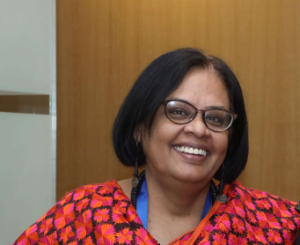
 By Dr. Smita Dharmamer
In 2017, I came to Nova Scotia as Head of Community Strategy at Aangan Trust to participate in Coady’s seven-week Global Change Leaders Program. I was one of 19 women leaders representing 17 countries, largely from the Global South.
Nine years later, many of us remain connected. We came from different countries and fields, but at Coady we built a community. We became colleagues, friends and sources of support for one another. That experience reinforced something that continues to guide me: community is built through care, respect, dignity, listening and the willingness to stand beside people through change.
Coady’s asset-based approach also changed the starting point of my work. I learned to begin with what people and communities already have rather than defining them by what they lack.
A community may have limited financial resources, but it may have trusted women leaders, young people who understand local risks, teachers who care, informal support networks, committed local organizations and public officials willing to act. These are assets. Our task is to recognize them, connect them and strengthen their ability to solve problems together.
My understanding of feminist leadership also became clearer. Leadership is not about keeping authority with one person. It is about giving power away responsibly – enabling others to question assumptions, make decisions, use evidence, and lead.
From learning to action
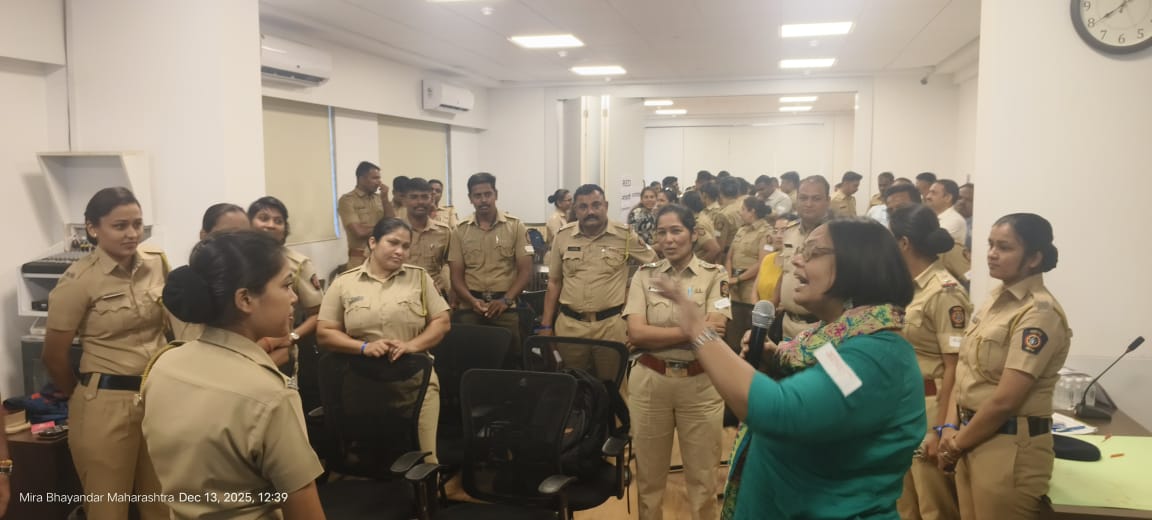
Since Coady, I have progressed from Head of Community Strategy to Associate Director at Aangan Trust. My responsibilities now span program strategy, people management, government and civil-society partnerships, evidence and learning, advocacy and organizational systems.
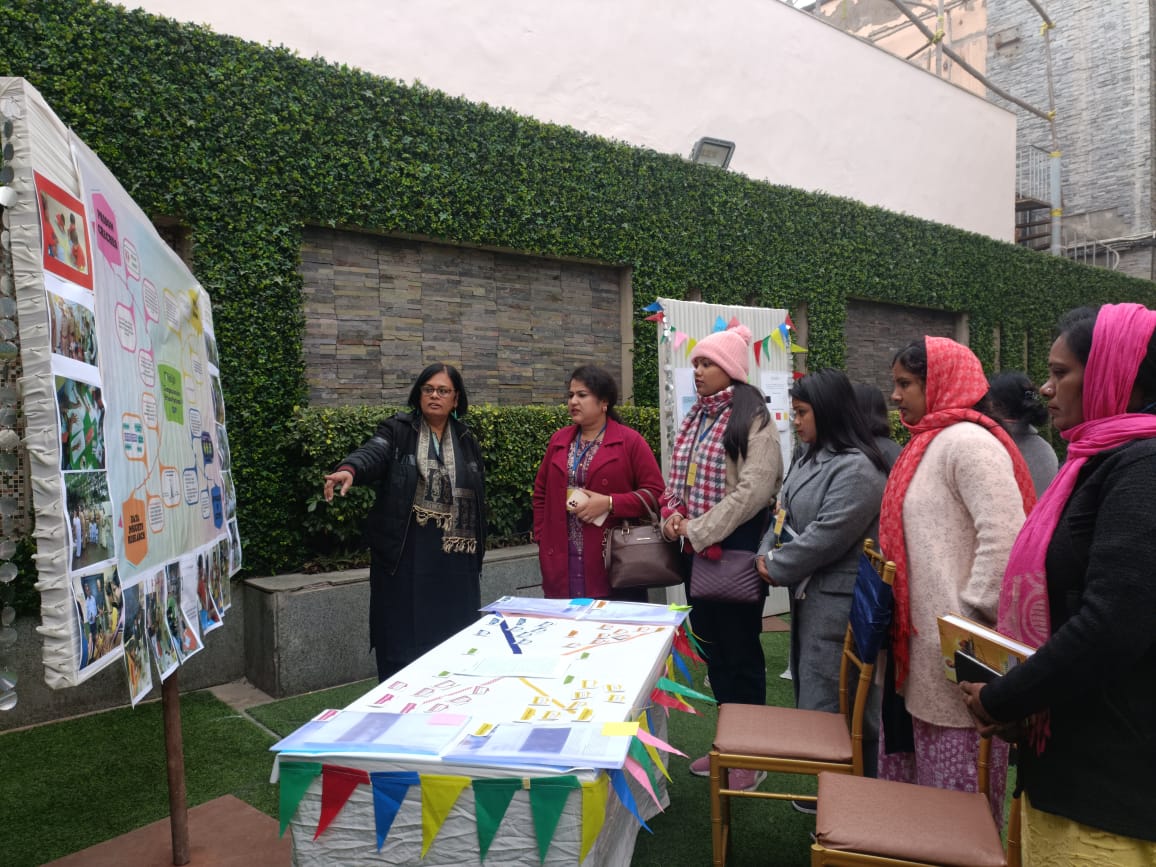
Central to this work is the belief that child safety must be a shared responsibility across communities and public systems. My role has been to help create strategies and systems that allow community women, grassroots teams, partner organizations and government actors to lead and act.
These are collective achievements, built through children, community women, grassroots teams, partner organizations and government actors. My role has been to help create the strategies and systems that allow those people to act.
That same approach has shaped my work with government. Aangan has developed relationships with child protection agencies, police, prison authorities, education systems and grassroots organizations across India. I have learned that advocacy does not begin only in senior-level meetings. It can begin with a child’s experience, a community woman identifying a recurring risk or evidence showing that a public system is failing. Leadership helps that evidence reach the people who can change policy and practice.
Building systems that continue
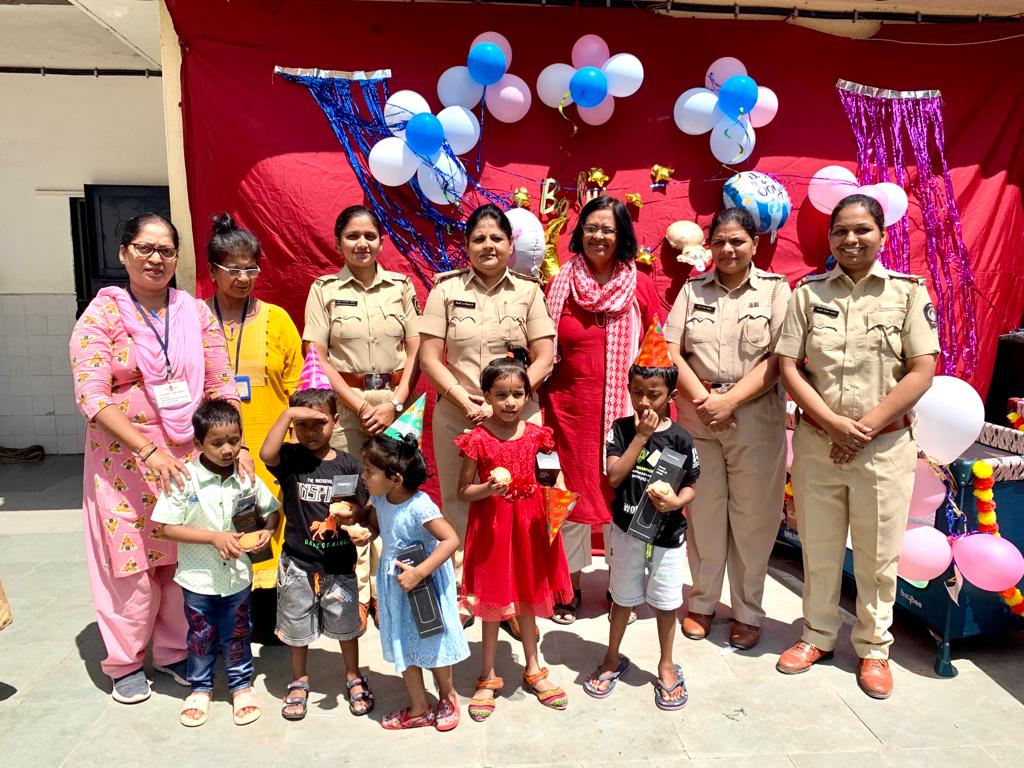
One area particularly important to me has been supporting children and mothers affected by incarceration. I designed and led Aangan’s Nanhe Kadam prison nursery and family-support model across six prisons in Maharashtra. Between April 2024 and February 2025, the work reached 619 children and 1,275 mothers and trained 232 prison staff.
The experience has also allowed me to bring learning from India into international conversations. I now serve as a trustee of the International Coalition for Children with Incarcerated Parents and participate in networks addressing parental incarceration, stigma, children’s rights and family support.
More recently, I have been helping develop Aangan’s Survivor Care Network. It began by listening to survivors about what happens after rescue, release or reporting. Formal intervention may happen on a particular date, but recovery takes much longer.
By August 2026, the network had identified 40 community organizers and survivor leaders and connected an ecosystem of more than 1,000 people who can help provide psychosocial, legal, health and social support.
For me, this work brings together much of what I learned at Coady: start with local assets. Listen before designing. Respect lived experience. Give power away. Build support through people who will remain after a project ends.
An investment that keeps growing
Coady did not give me one leadership formula. It gave me a way of looking at people.
Communities are not empty spaces waiting to be filled by experts. Women are not beneficiaries waiting to be empowered. People already carry knowledge, relationships, courage and solutions. Good leadership helps those assets become visible and influential.
I remain deeply grateful to the faculty, staff, donors and everyone who made my Coady experience possible. I have never seen their support as something that ended when I returned to India. I have tried to carry it forward through the people, programs and systems I have helped build.
Nine years later, that investment continues to travel – through community women, survivors, children, colleagues, public officials and organizations, and through the leaders who will carry this work forward again.
Dr. Smita Dharmamer is Associate Director Aangan Trust, India. October 3, she will be presenting in Toronto at the World Association for Infant Mental Health (WAIMH) conference, as part of a session on “A Global Perspective on Supporting Relationships Between Infants and Their Incarcerated Parents”.
IMPACT MULTIPLIED
Putting community-led leadership into practice
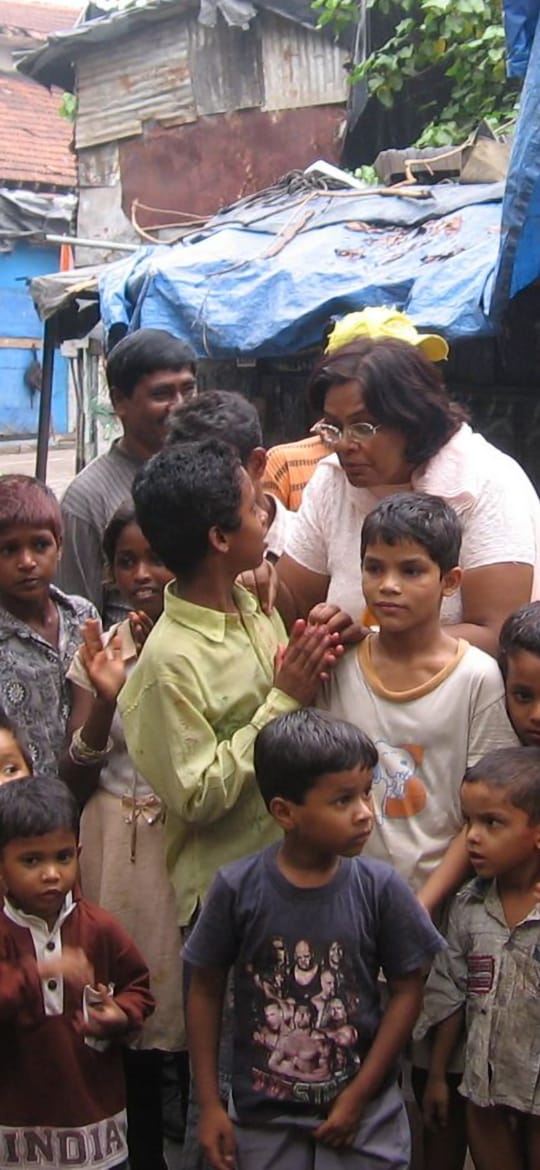
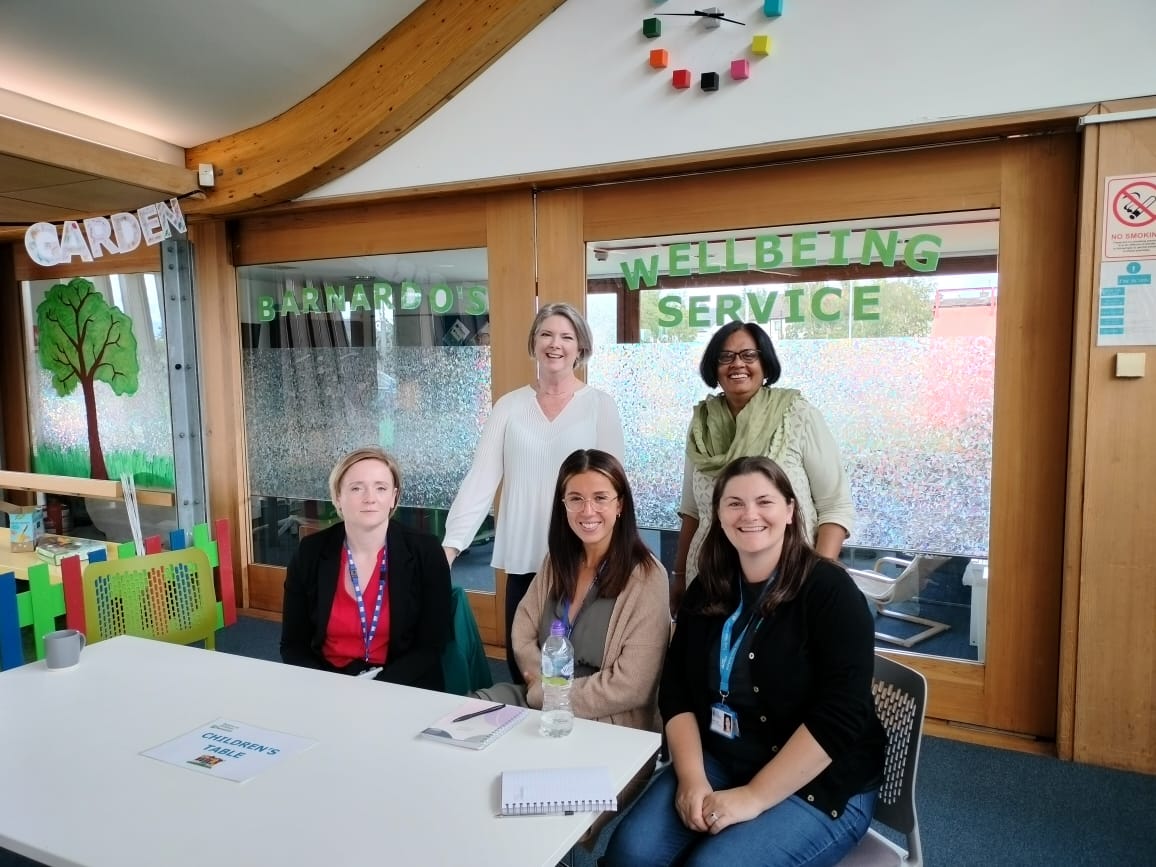
Since Smita Dharmamer participated in Coady’s Global Change Leaders Programme in 2017, she has helped shape Aangan Trust’s strategies, partnerships and systems for protecting children and strengthening communities across India.
1,582
child marriages prevented
18,740
out-of-school children supported to enter school or vocational education

15,446
working children supported to leave or reduce work, or enrol in school

12,200
government officials supported to strengthen responsiveness and accountability for child safety

18,800
community women trained to identify and respond to harm
One leader. Stronger networks. Wider impact.
These results reflect the collective work of Aangan Trust, children, community women, grassroots teams, partner organizations and government actors.