
Katherine Fleming Women Leaders
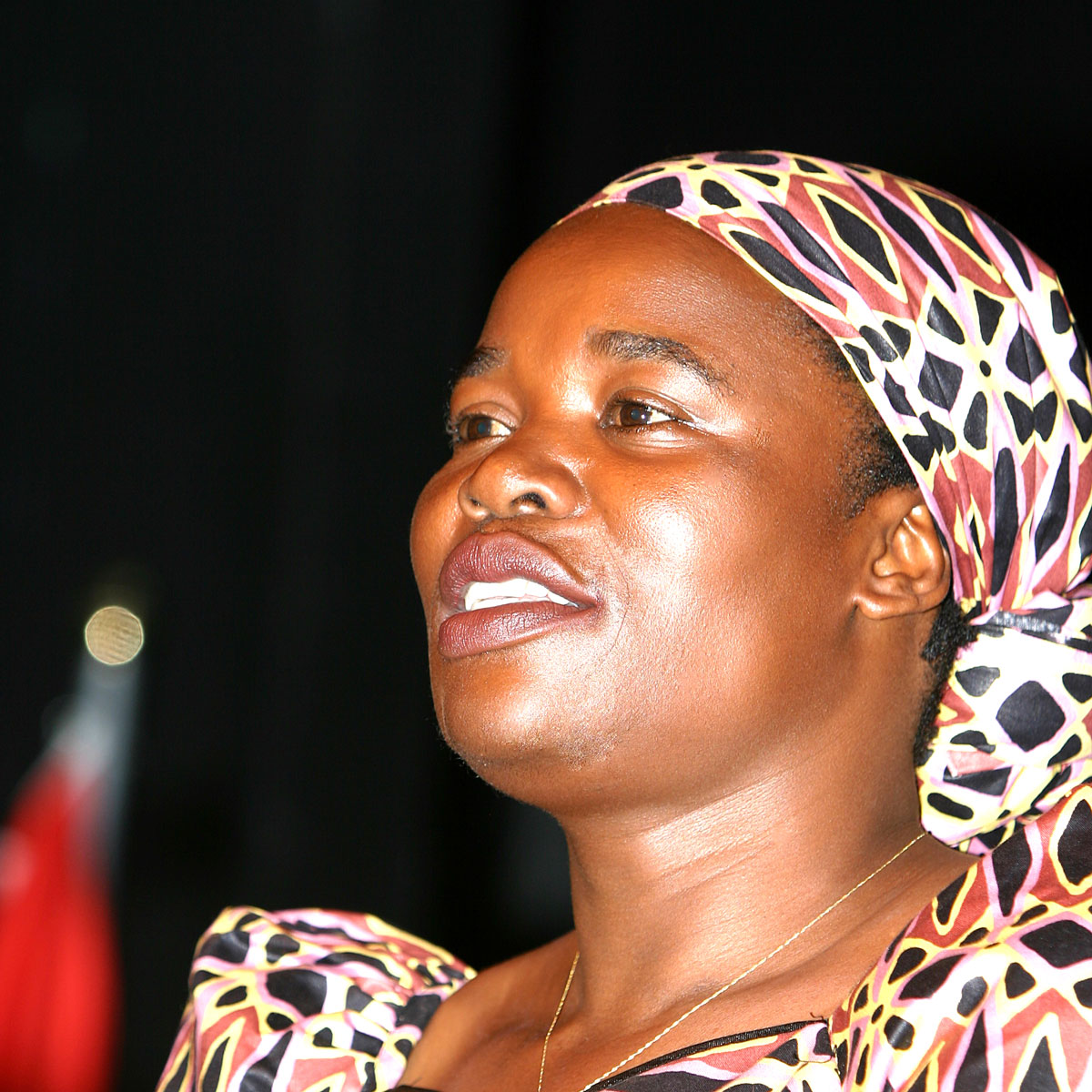
What began as an individual award has expanded to reach more women through the Katherine Fleming Women’s Leadership Course for African Women Leaders.
Together, these women are part of a growing network of 70 plus leaders working across Africa.
Individual Award Recipients
From 2000 to 2024, 25 women from 13 African countries received the Katherine Fleming International Development Award and participated in a Coady Institute course.
Their leadership spans women’s economic empowerment, education, health, child and youth well-being, human rights, peace and security, and gender equality.
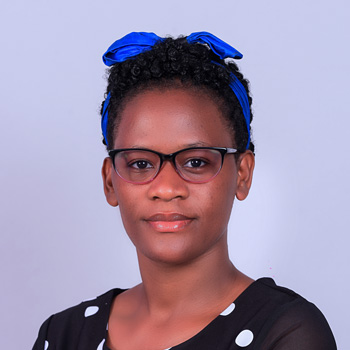
Carol Nyangoma Mukisa
Warm Hearts Foundation, Uganda
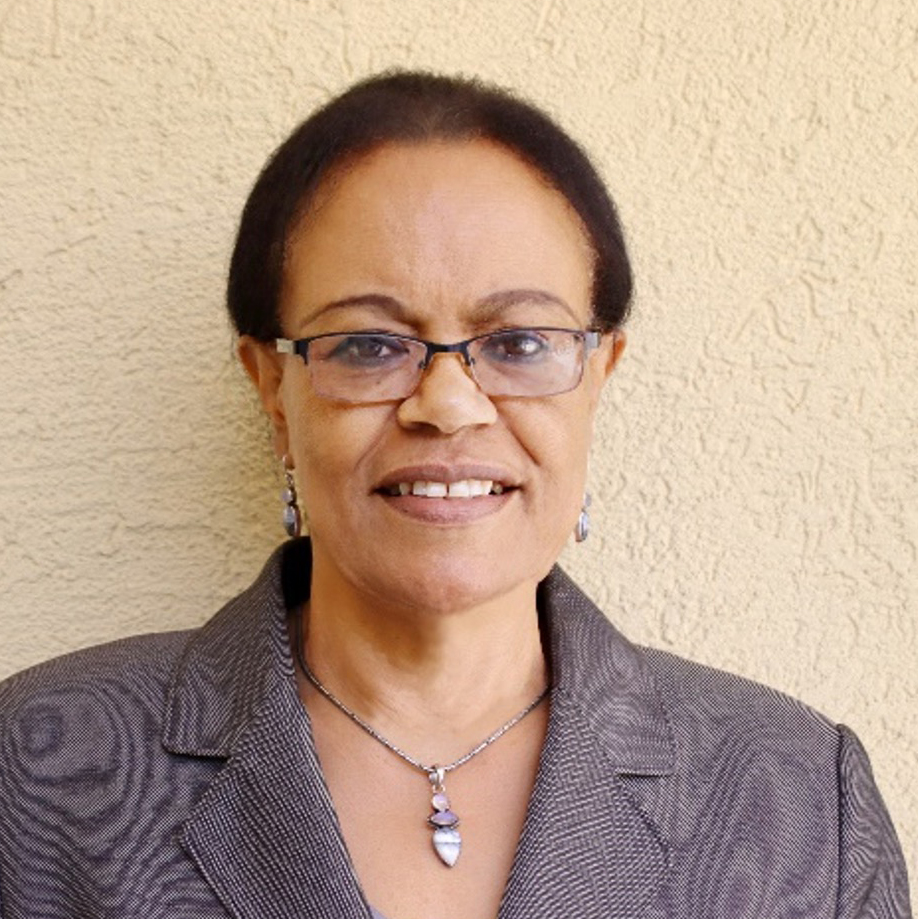
Tsigie Haile
Women in Self Employment, Ethiopia
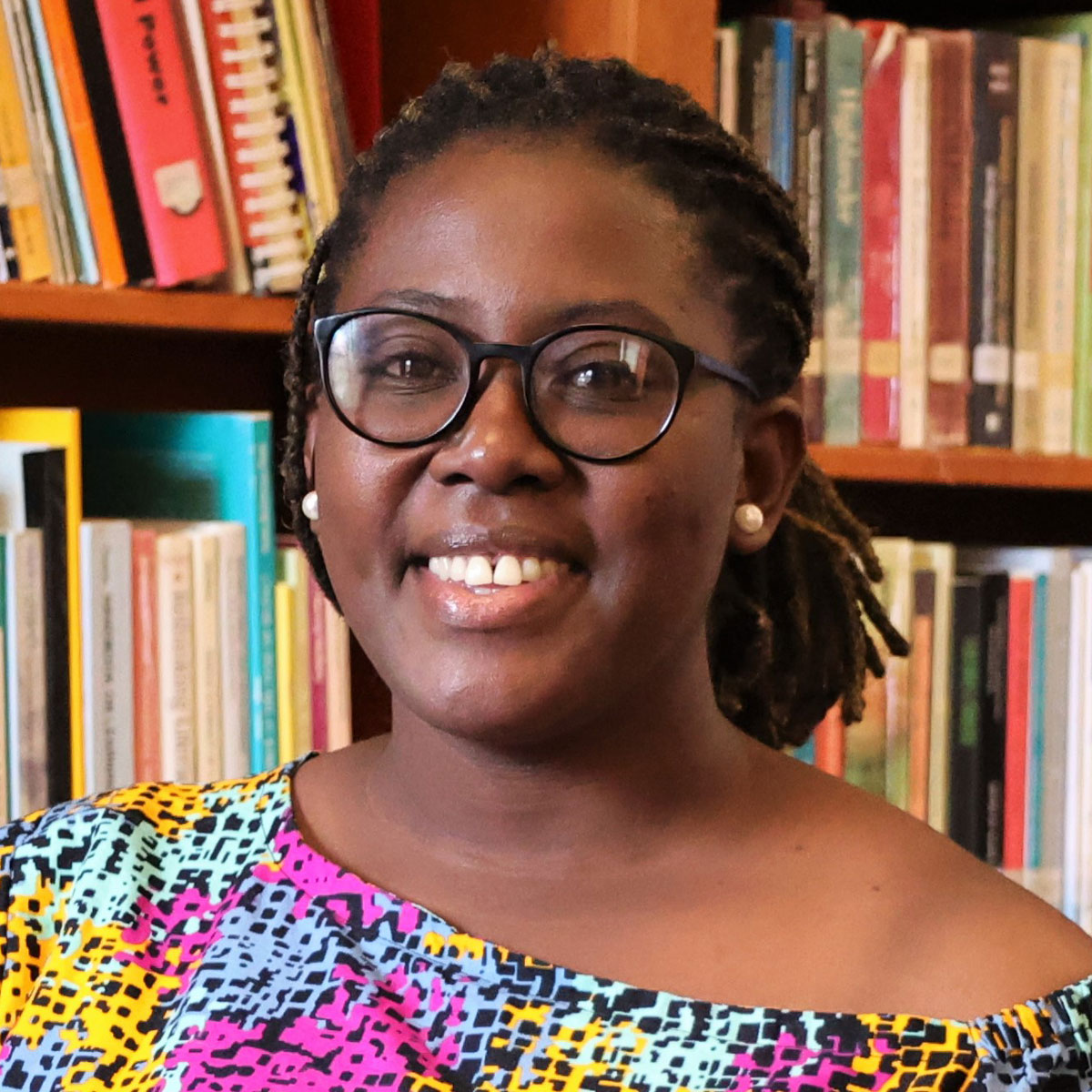
Prossy Nantongo
Reach One Touch One Ministries (ROTOM) and Beautiful World Canada, Uganda

Vera Elikem Awuye
International Needs Ghana
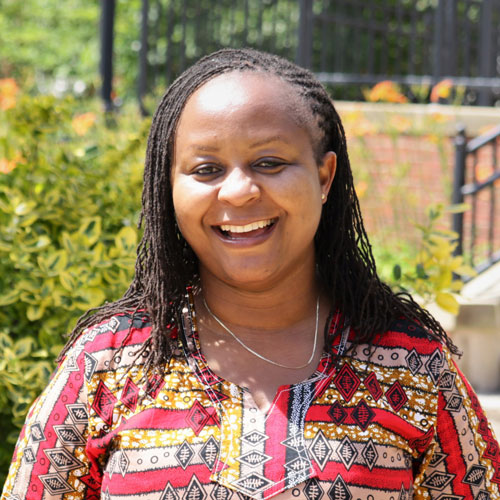
Saliwe Mutetwa-Zakariya
Talia Women's Network, Zimbabwe
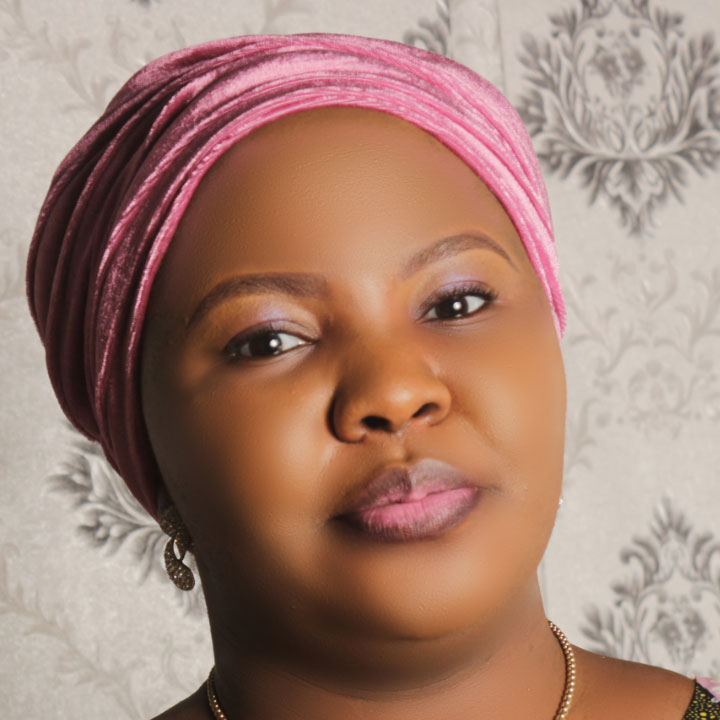
Rabi Adamu Musa
Mcrissar Foundation for Women and Girls, Nigeria
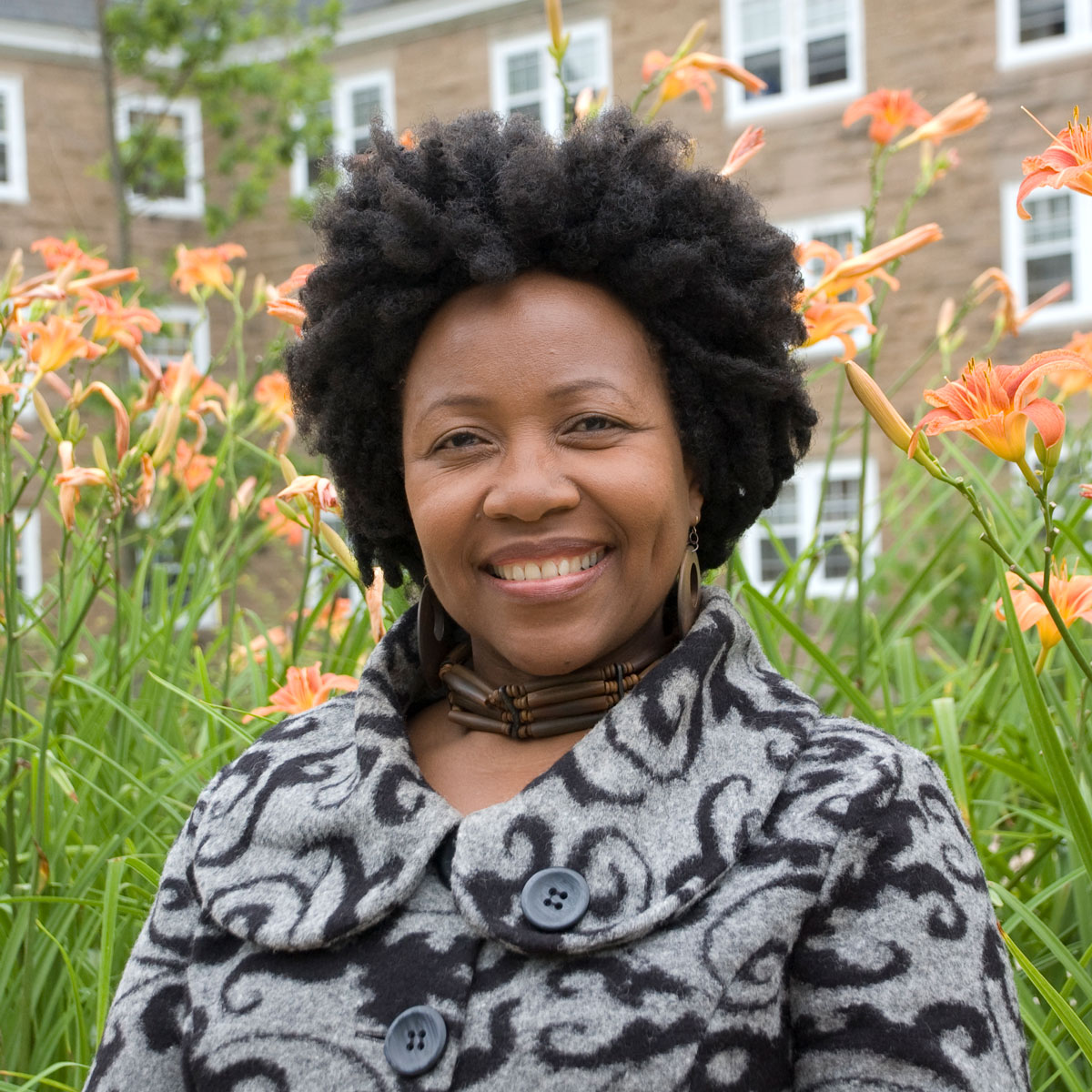
Yvonne Marimo
Global African Business Women Network, Zimbabwe/United Kingdom
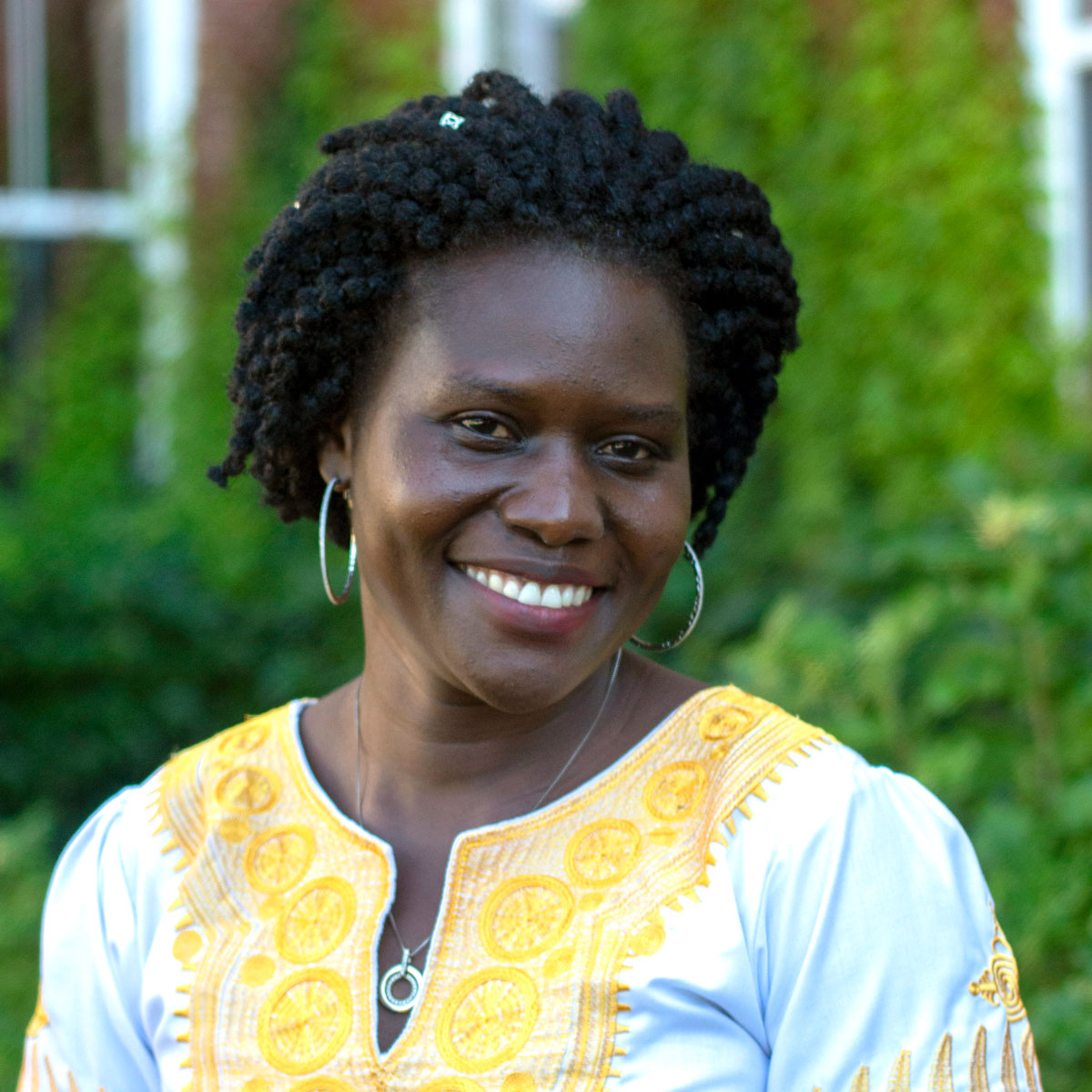
Grace Arach
Foundation for Women Affected by Conflicts, Uganda
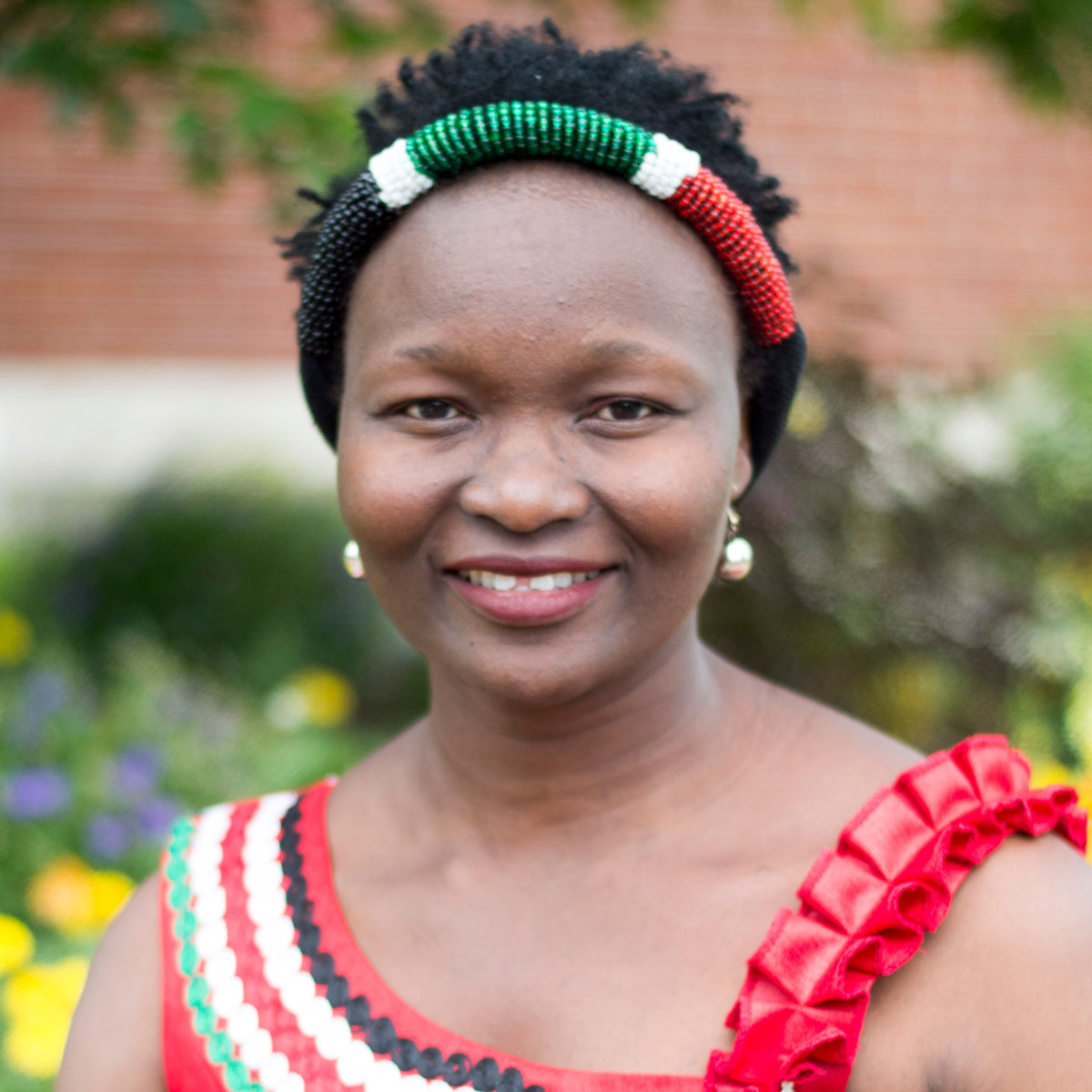
Namadi Peggy Saka
Kenya Alliance for Advancement of Children, Kenya
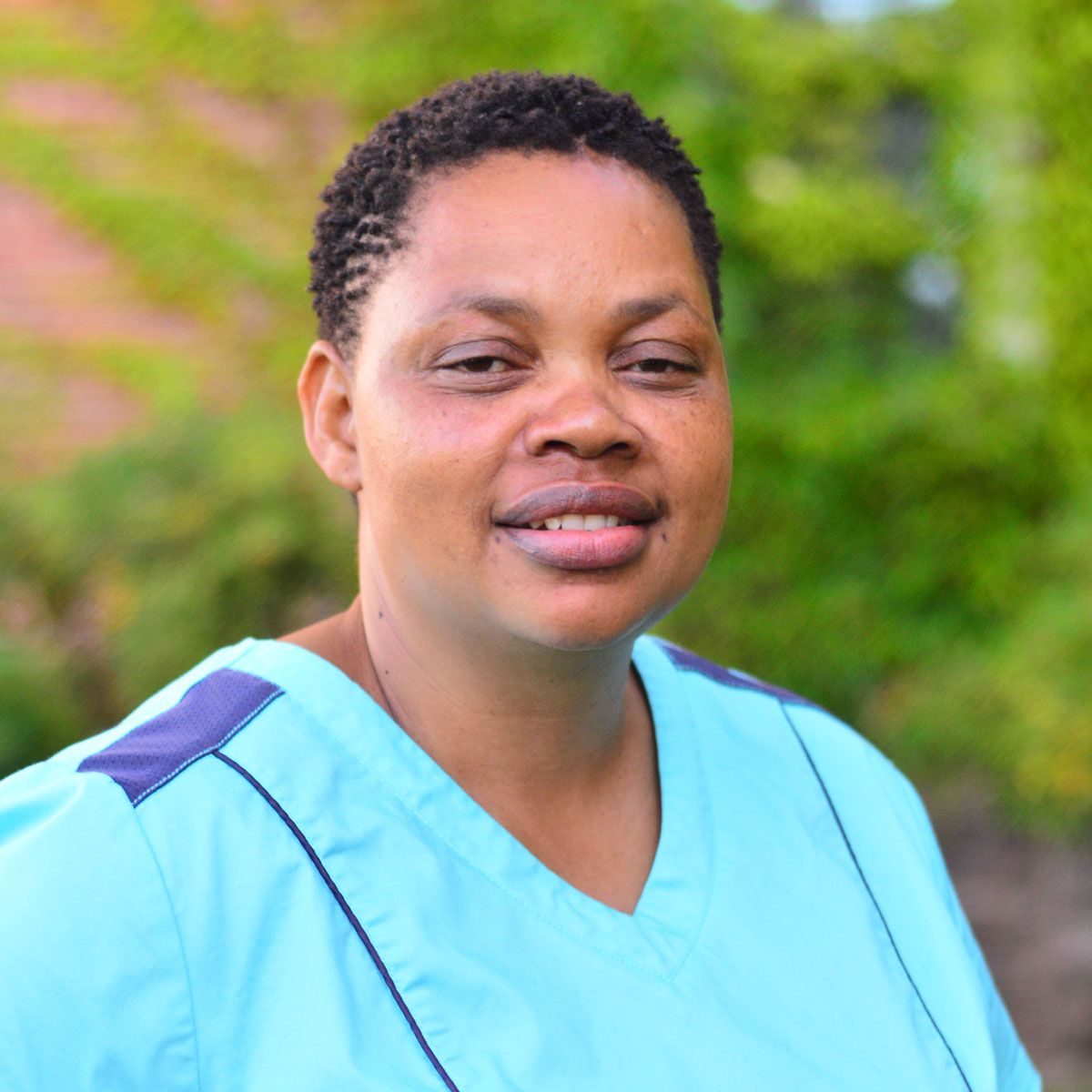
Mabuyakhulu Abingo Siphiwe Phumla
Compassionate Swaziland
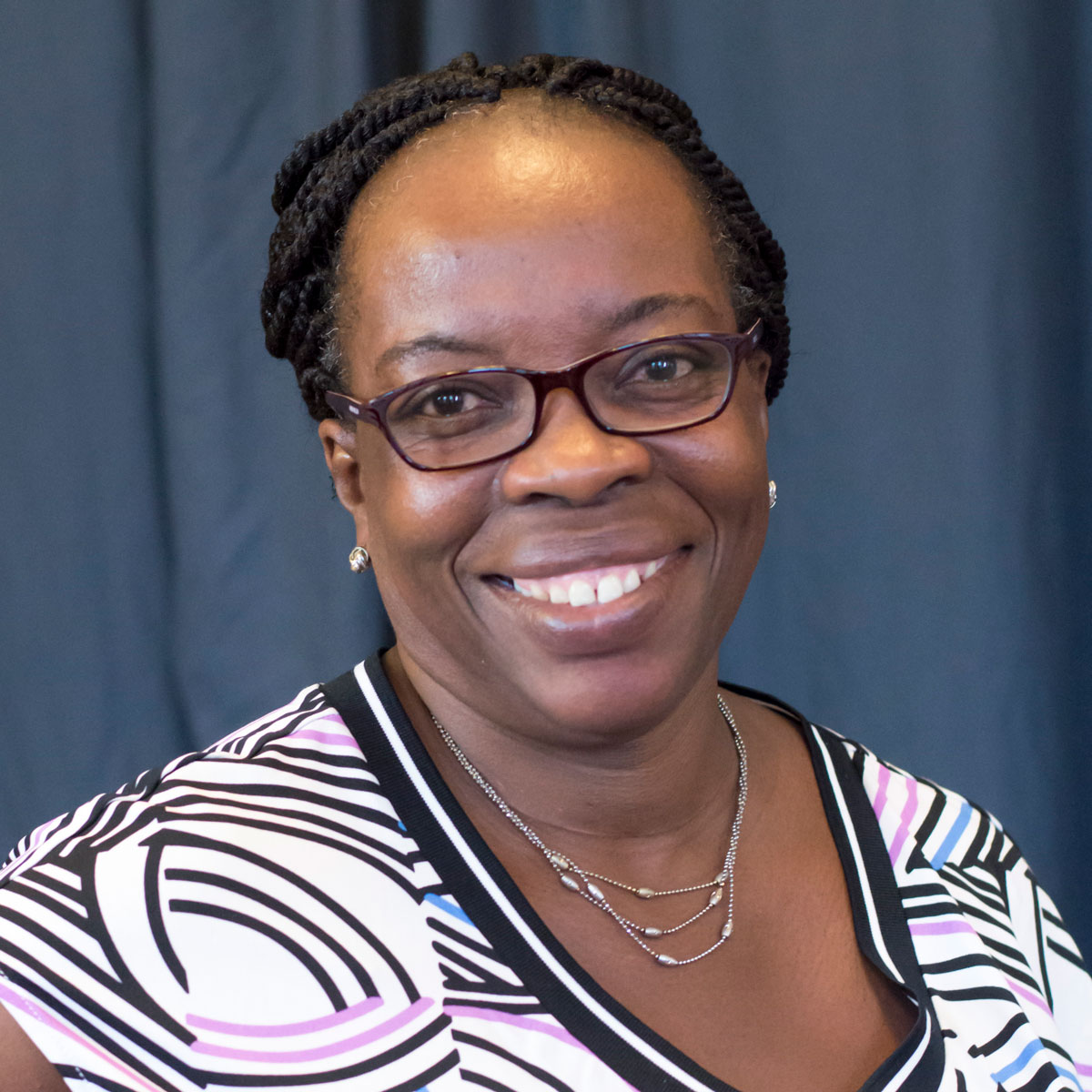
Patricia Blankson Akakpo
Network of Women’s Rights in Ghana
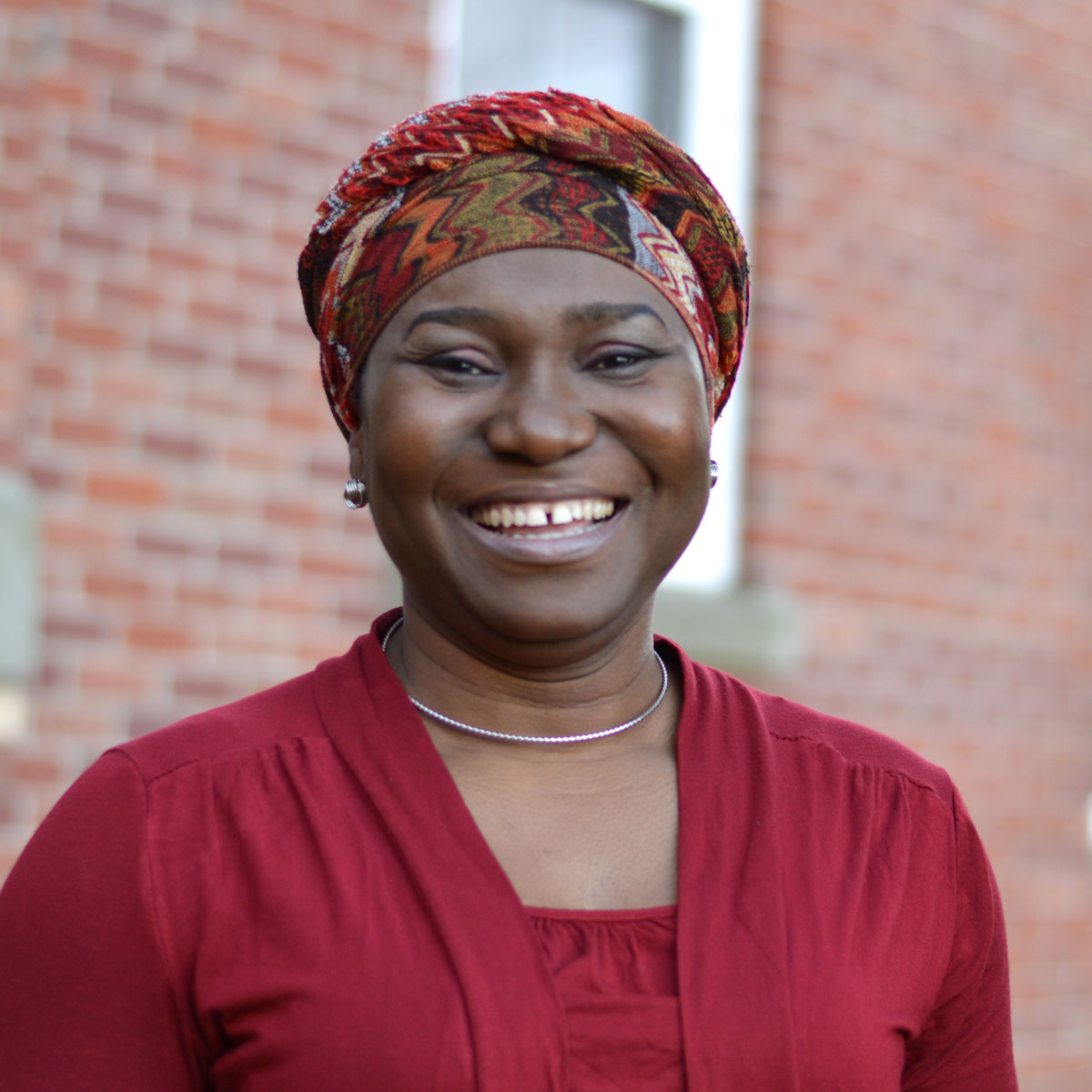
Kate Ibeanusi
Initiative for Sustaining Family Unity, Nigeria

Afi Yakubu
Foundation for Security and Development in Africa, Ghana
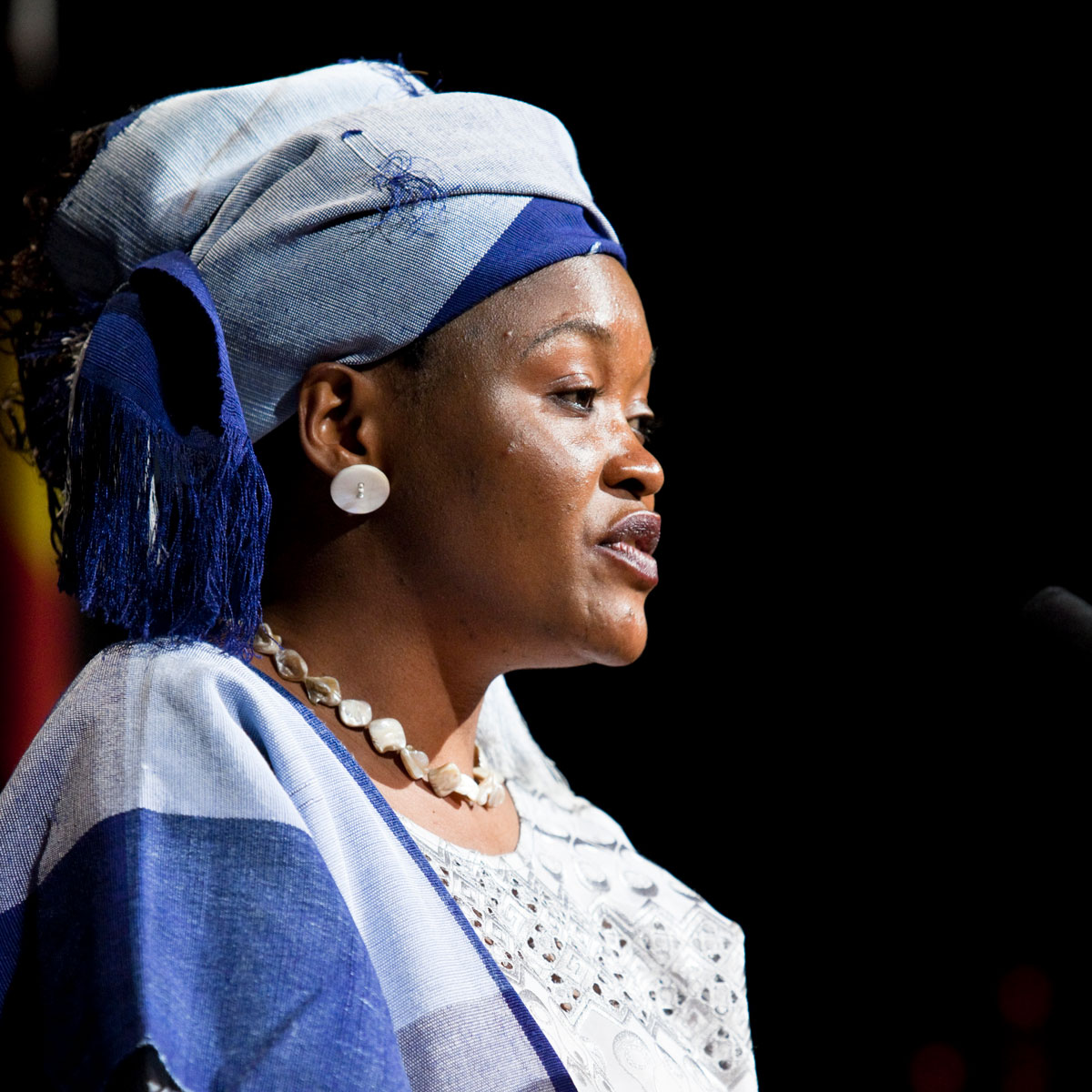
Inviolata Mwali Mmbwavi
International Community of Women Living With HIV (Kenyan Chapter)
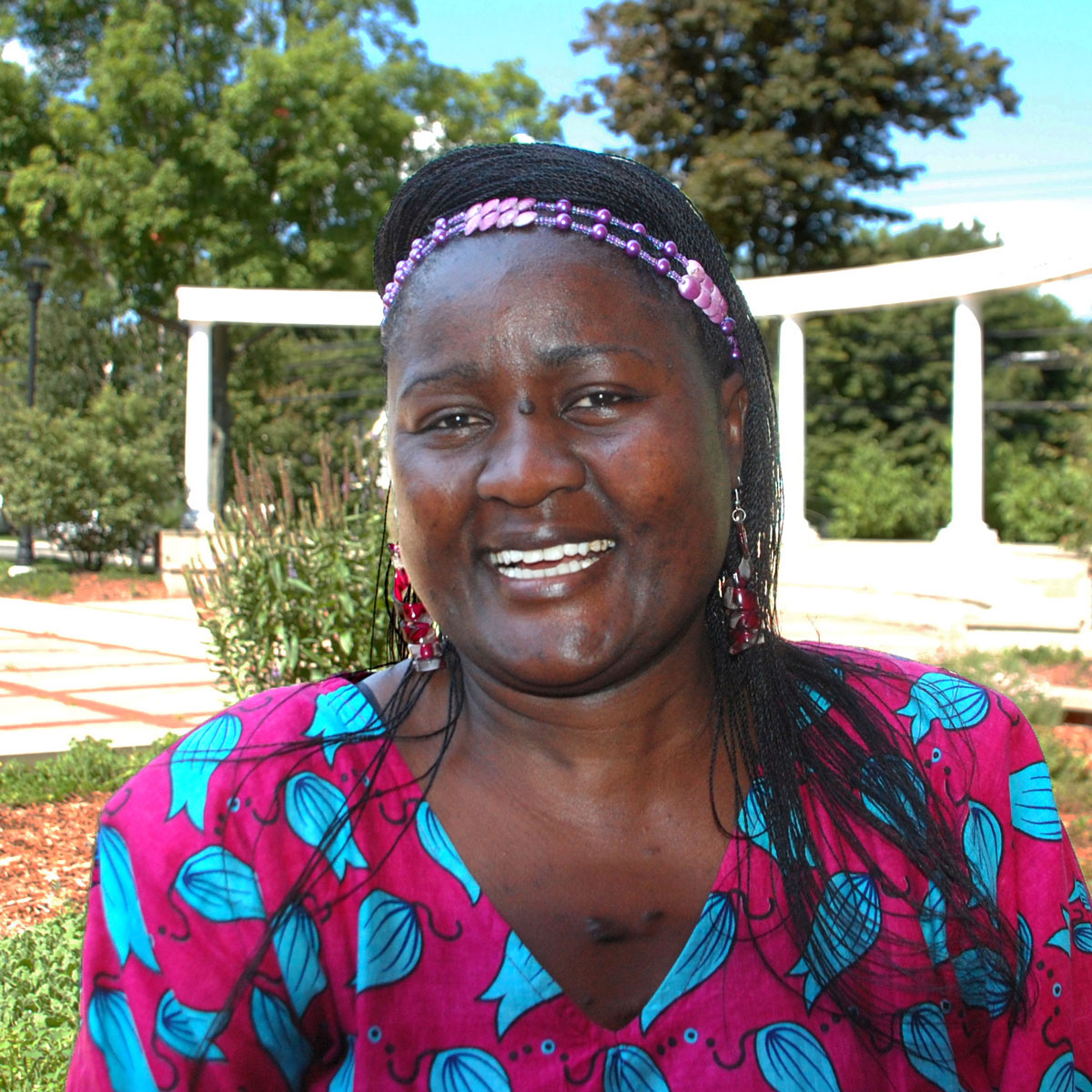
Pamela Obonde
Angolo Community Development Centre, Kenya
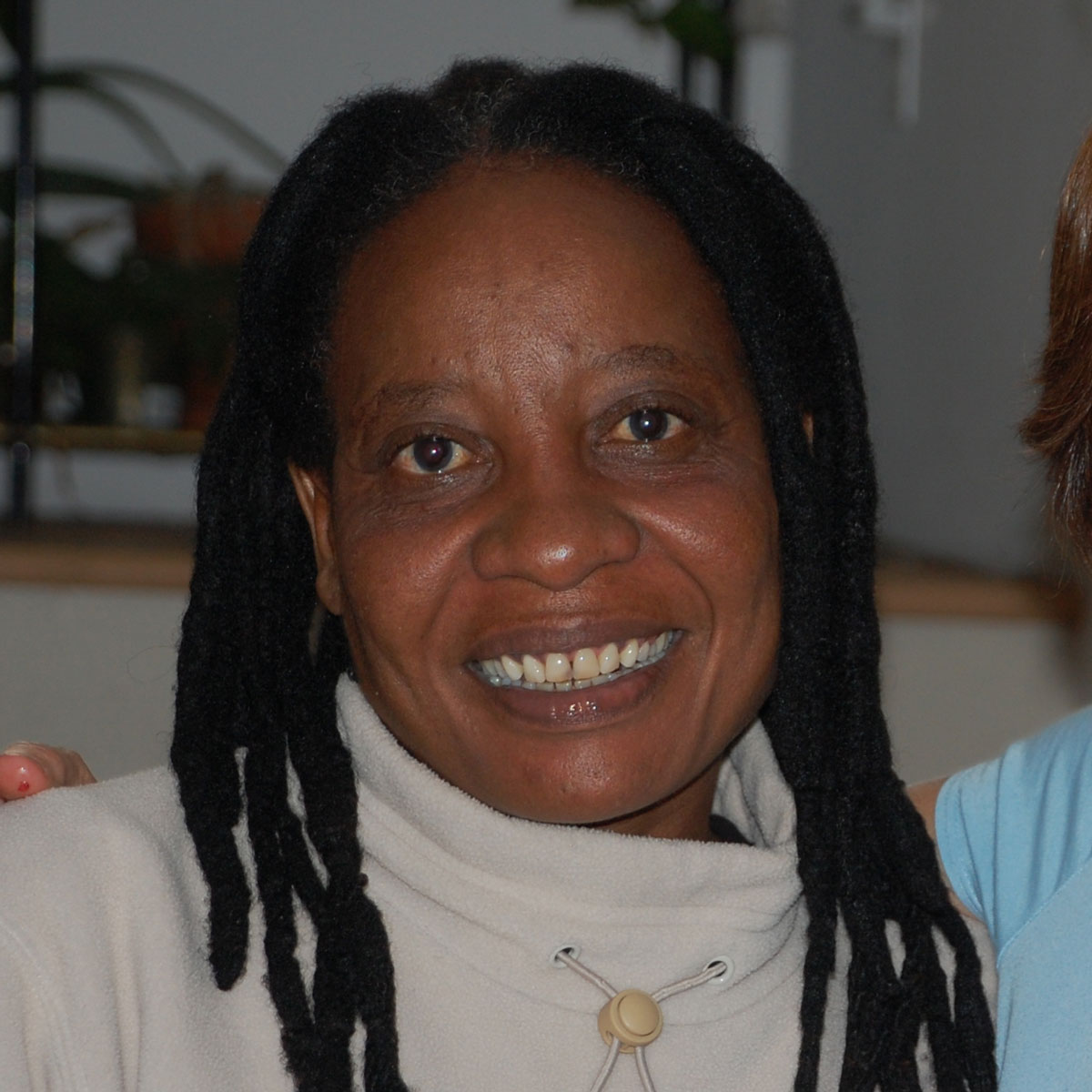
Dawn Mokgautsi
Francistown Network of Support Groups, Botswana
Amina Mlawa
Affirmative Action on Gender Equality Network, Tanzania
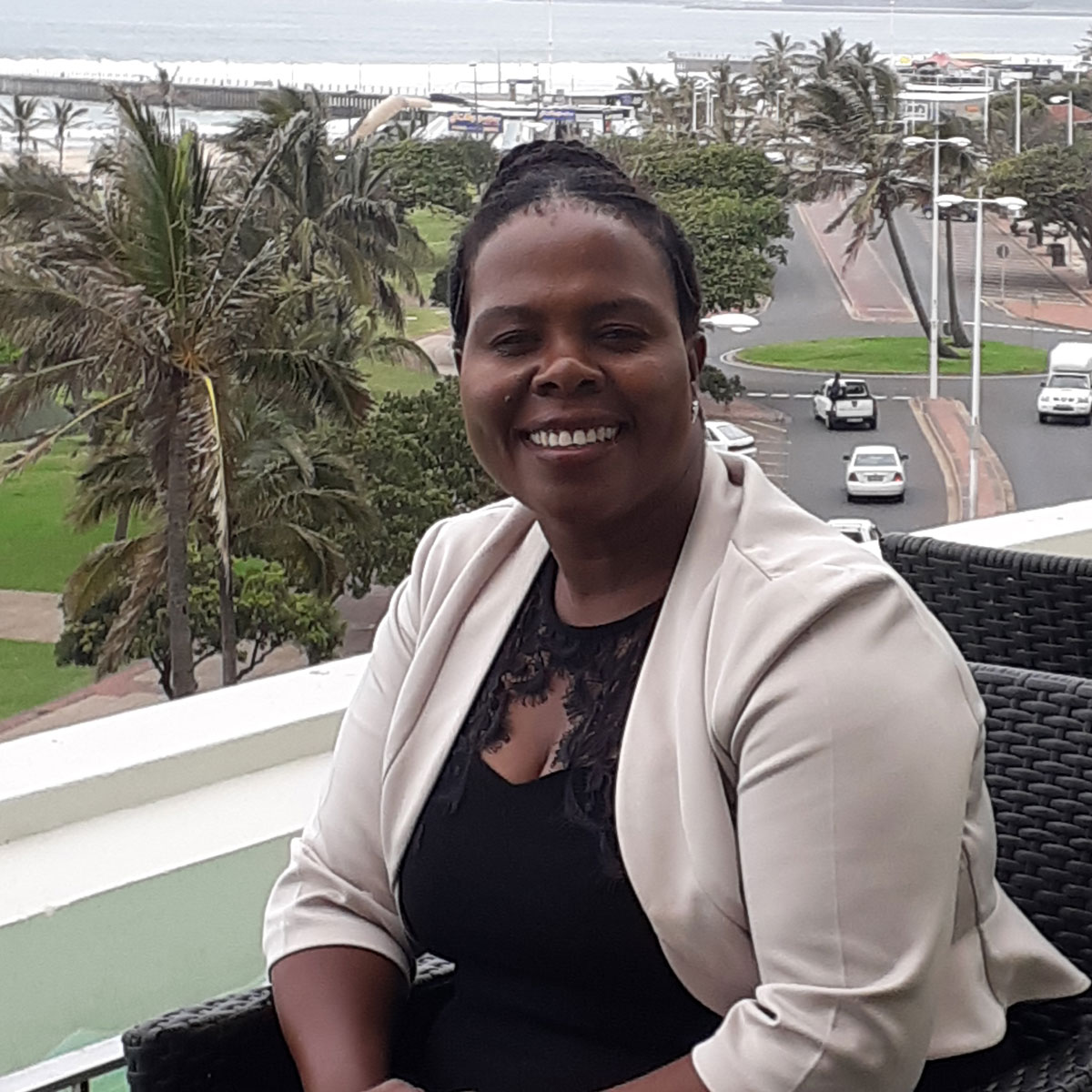
Phumzile Ndlovu
AffirmBridging the Gap of South Africa, South Africa Kwazulu Natal Durban
Idah Nambeya
The Stephen Lewis Foundation, Toronto, Canada
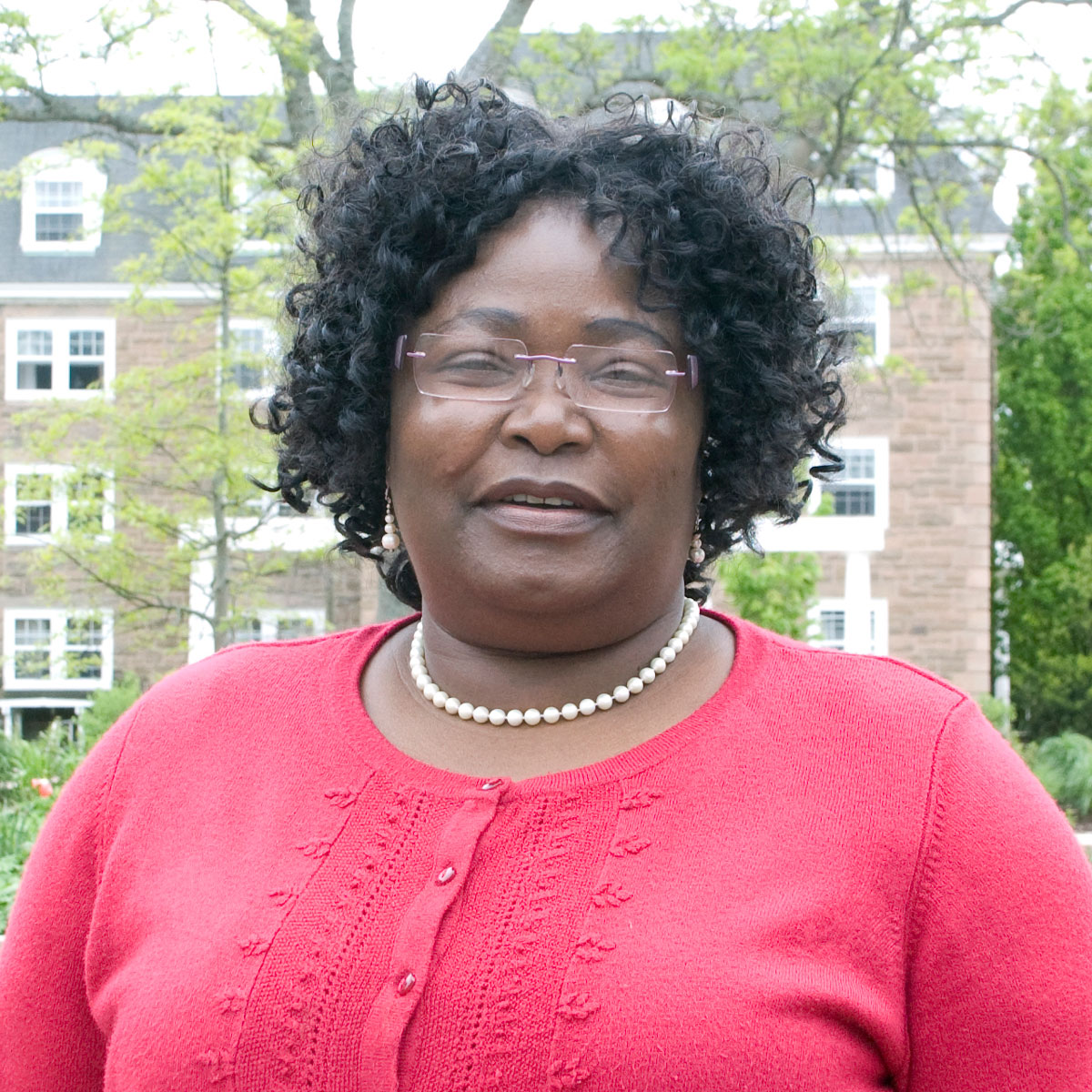
Emily Sikazwe
Women for Change, Zambia

Viness Lourens Mangoye
Panuka Trust, Zambia
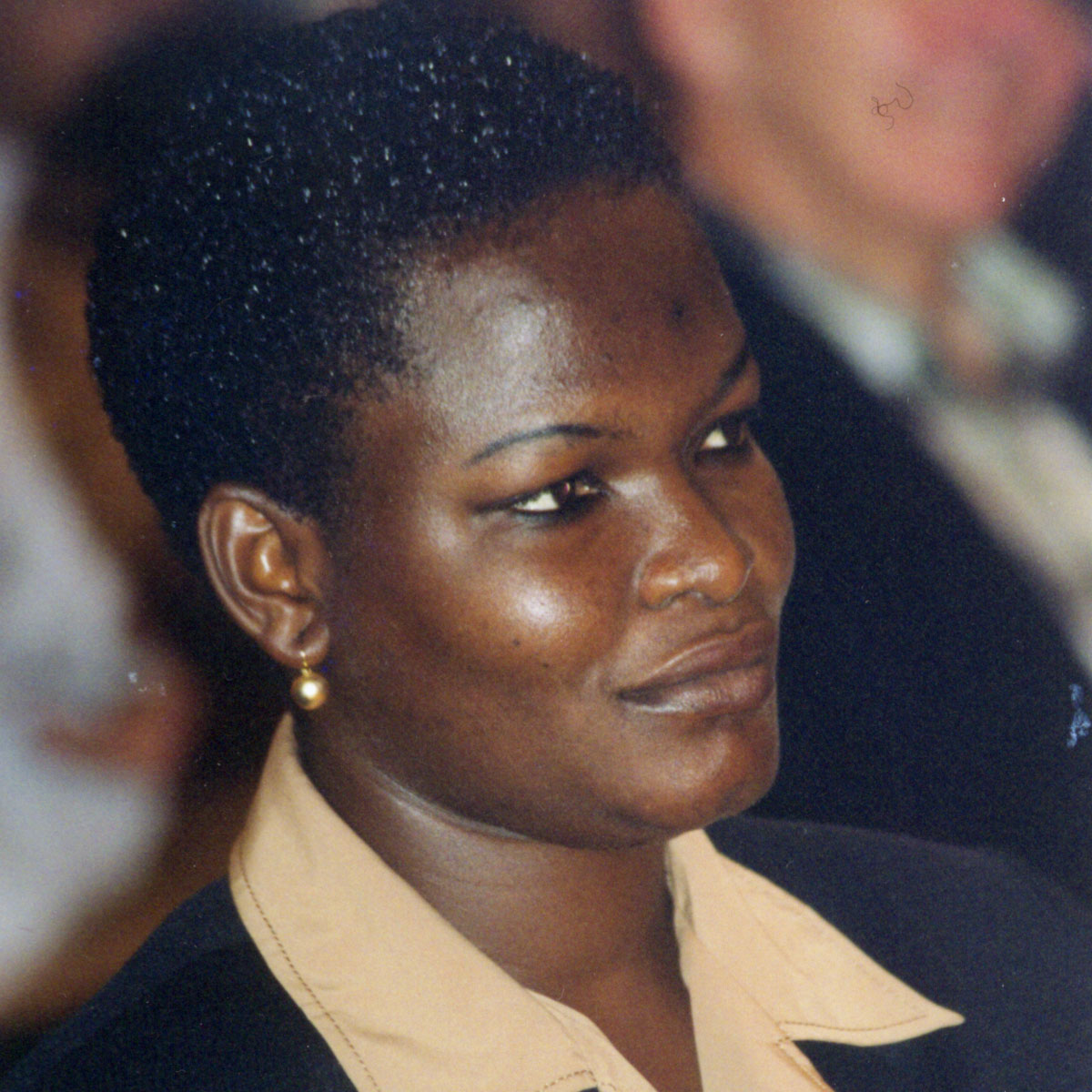
Annie Anemieyeseigha Brisibe Porbeni
Niger Delta Women for Justice, Nigeria
Leadership Course Participants
Beginning in 2025, Coady increased impact with the Katherine Fleming Women’s Leadership Course for African Women Leaders.
Delivered in Africa alongside a partner organization, the course brings women leaders together to strengthen their leadership, share experiences, build relationships, and apply their learning within their organizations and communities.
2025 Addis Ababa, Ethiopia
Women in Self Employment
Tsigie Haile (2024)
2026 Lusaka, Zambia
Nyapachuma Memorial Foundation
Emily Sikazwe (2004)
Change Happening Now
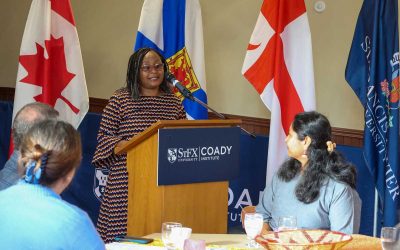
From Participant to Facilitator: Katherine Fleming Legacy Comes Full Circle
From participant to facilitator, Saliwe Mutetwa-Zakariya’s journey reflects the lasting impact of the Katherine Fleming legacy – and the ripple effect of investing in African women’s leadership.
A Journey of Giving Back
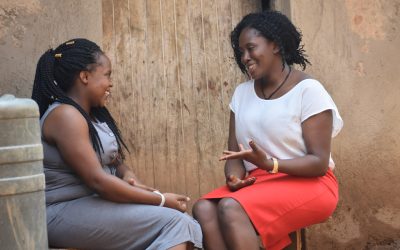
Empowered by her experience at Coady Institute, Prossy Nantongo has transformed her own journey into a powerful force for change – equipping marginalized girls across Africa with the skills, confidence, and support to shape their own futures.
Making Communities Safer in Nigeria
Kate Ibeanusi is a Nigerian justice advocate and Coady Institute graduate …