Katherine Fleming Award Recipients
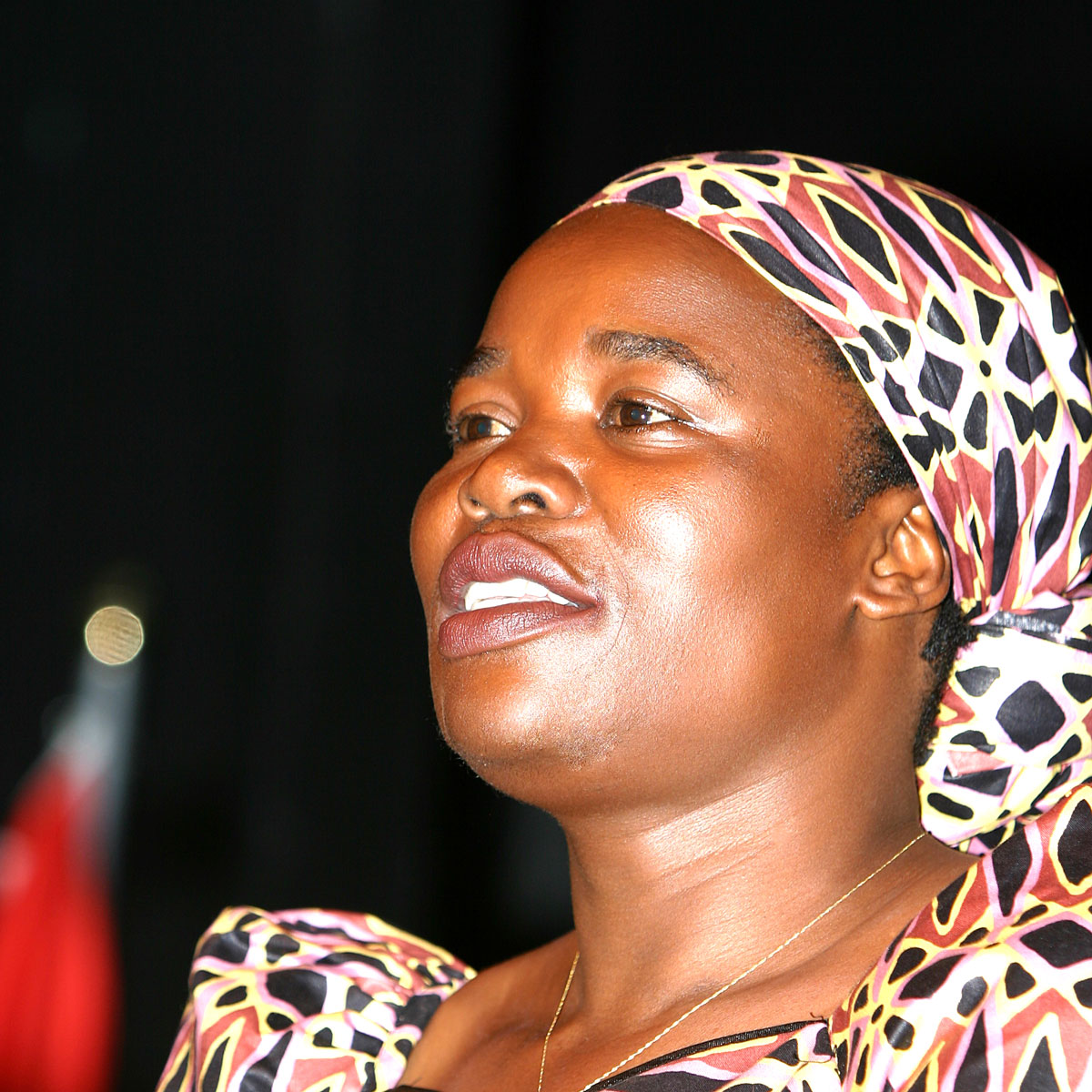
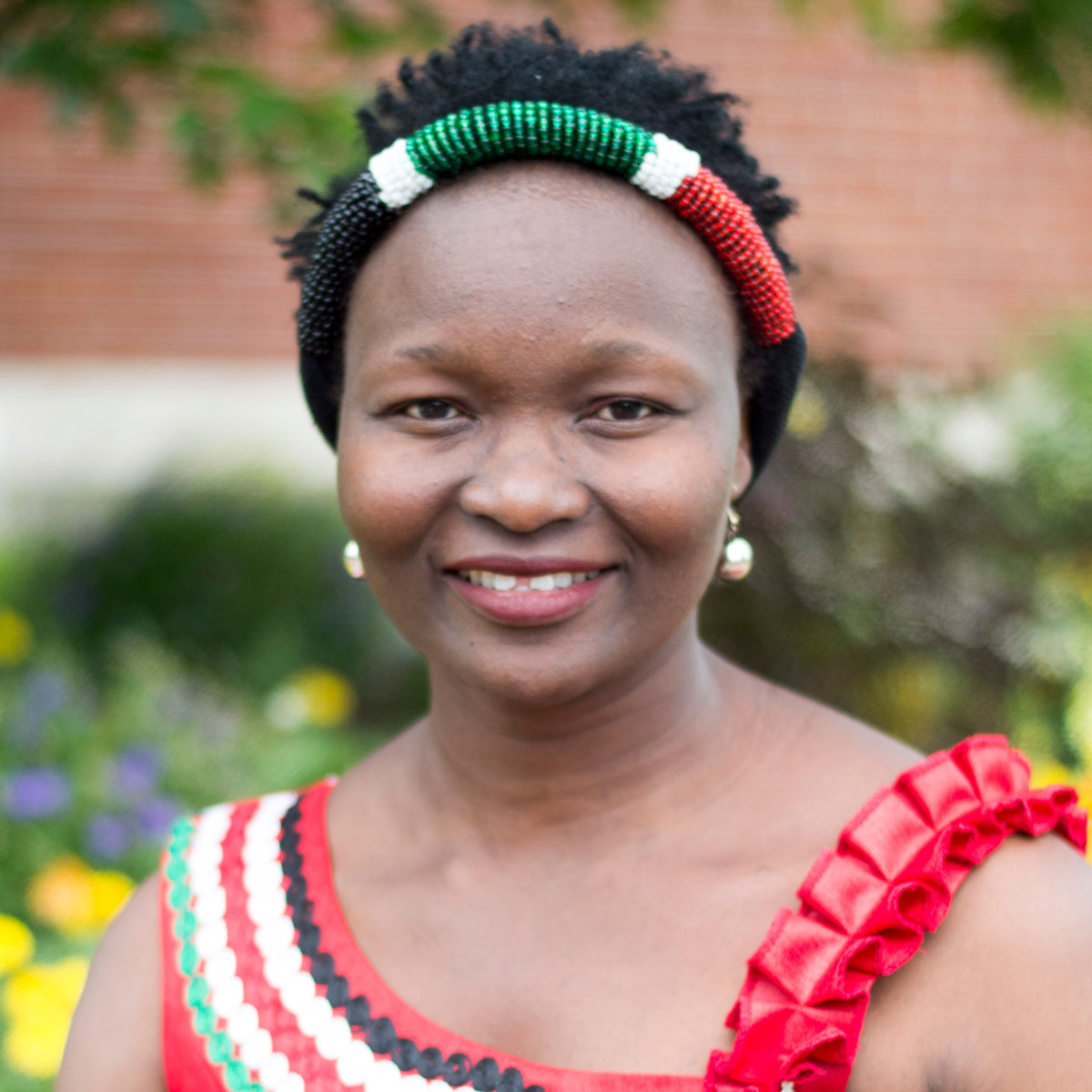
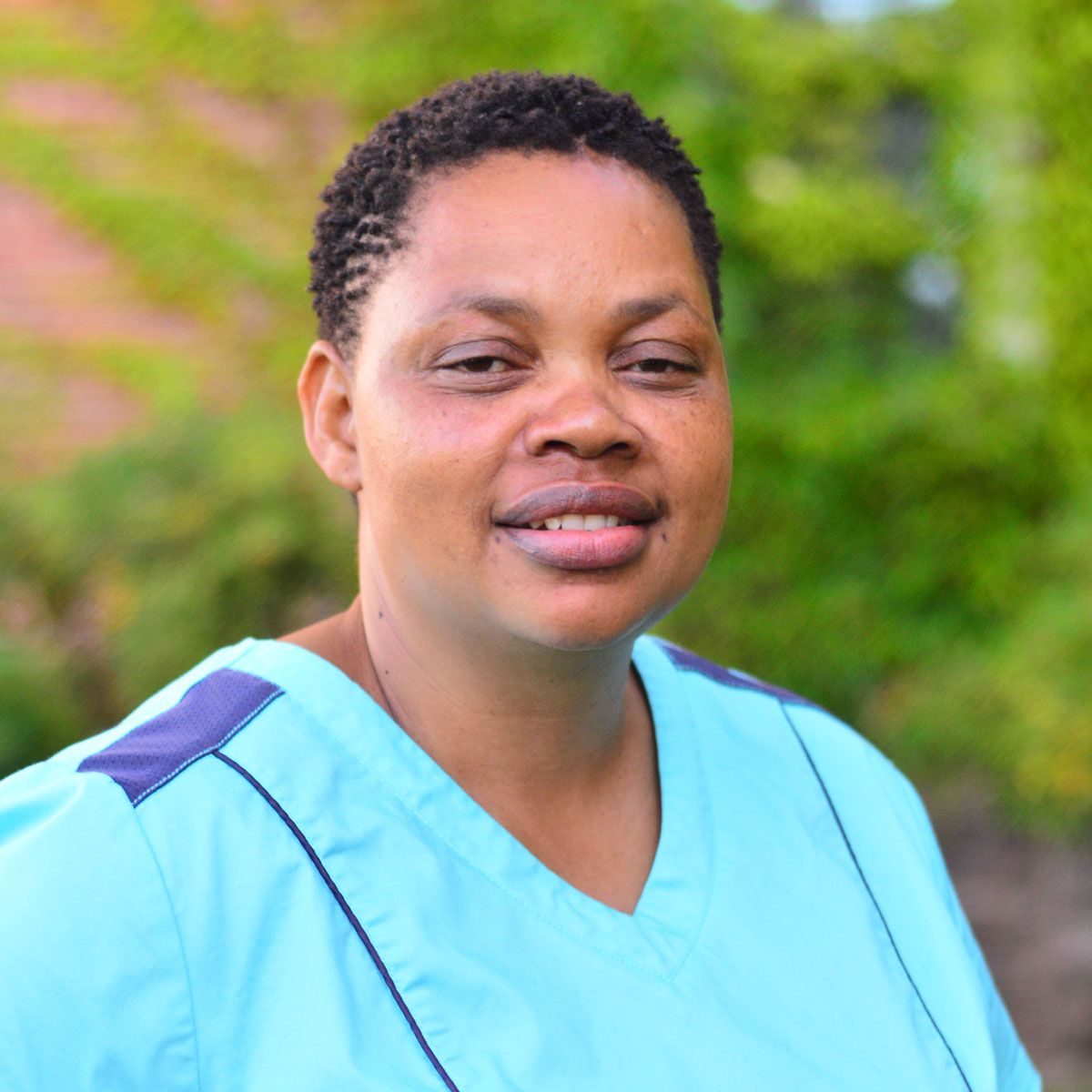
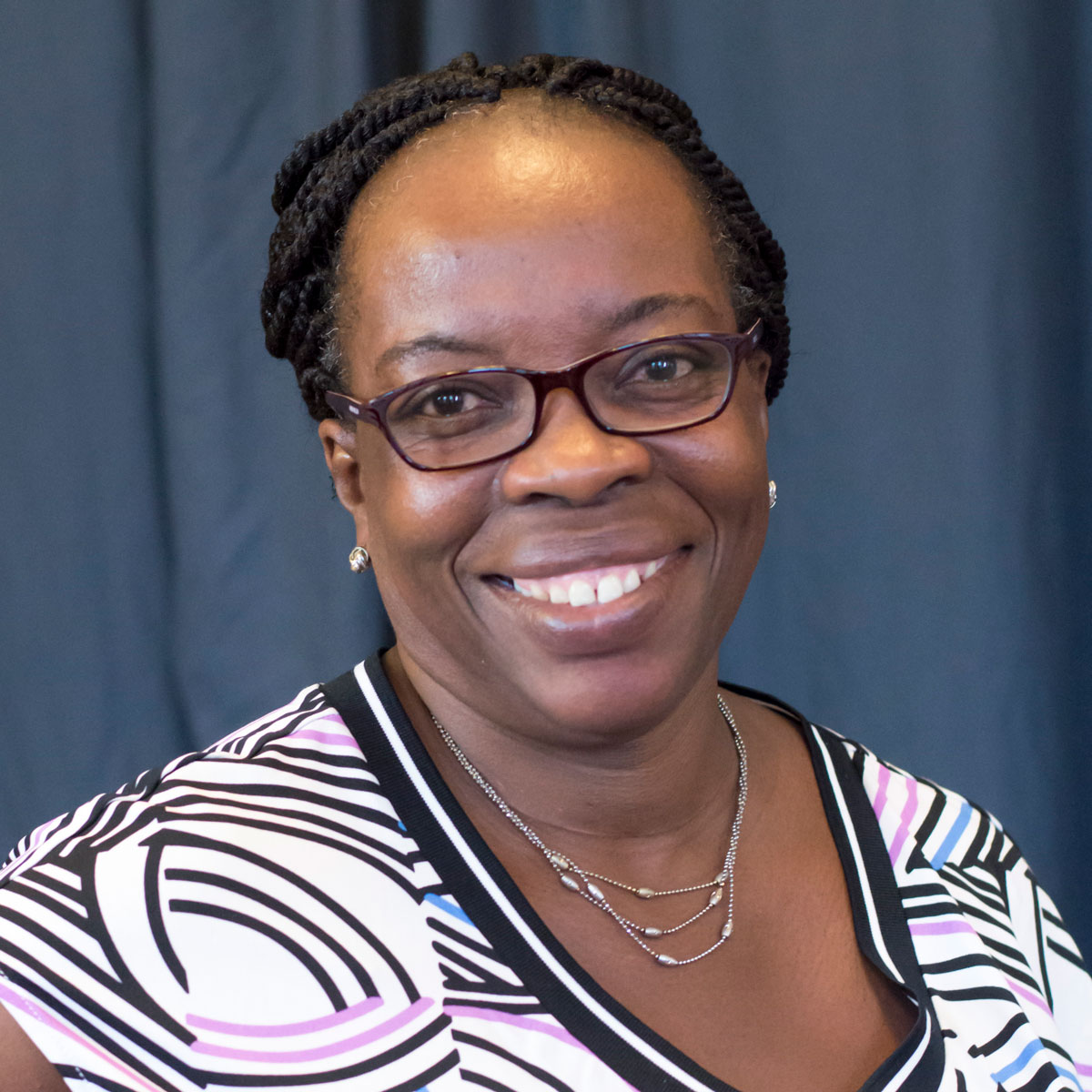
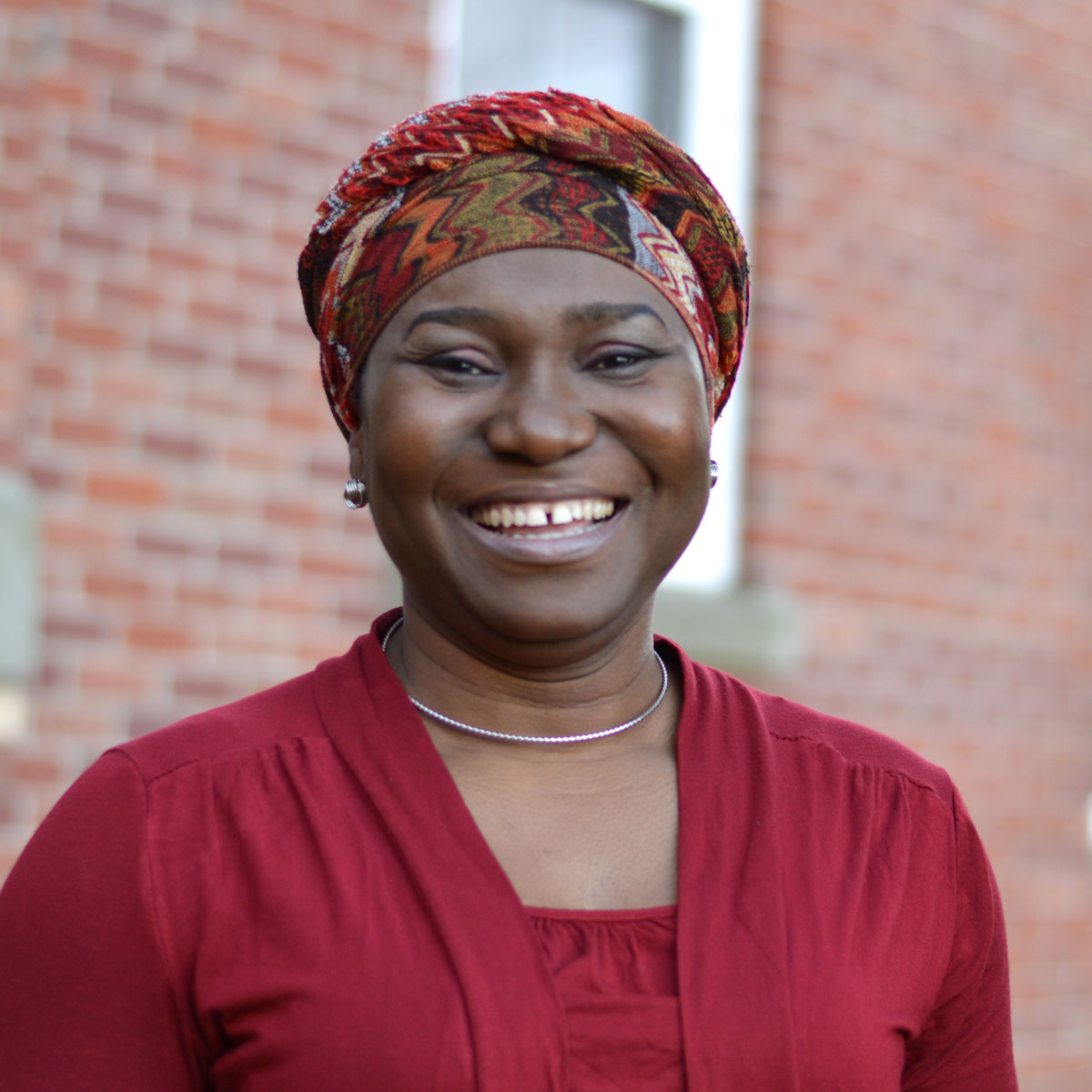
Coady Institute has presented the Katherine Fleming International Development Award to 25 different women from 13 different African countries.
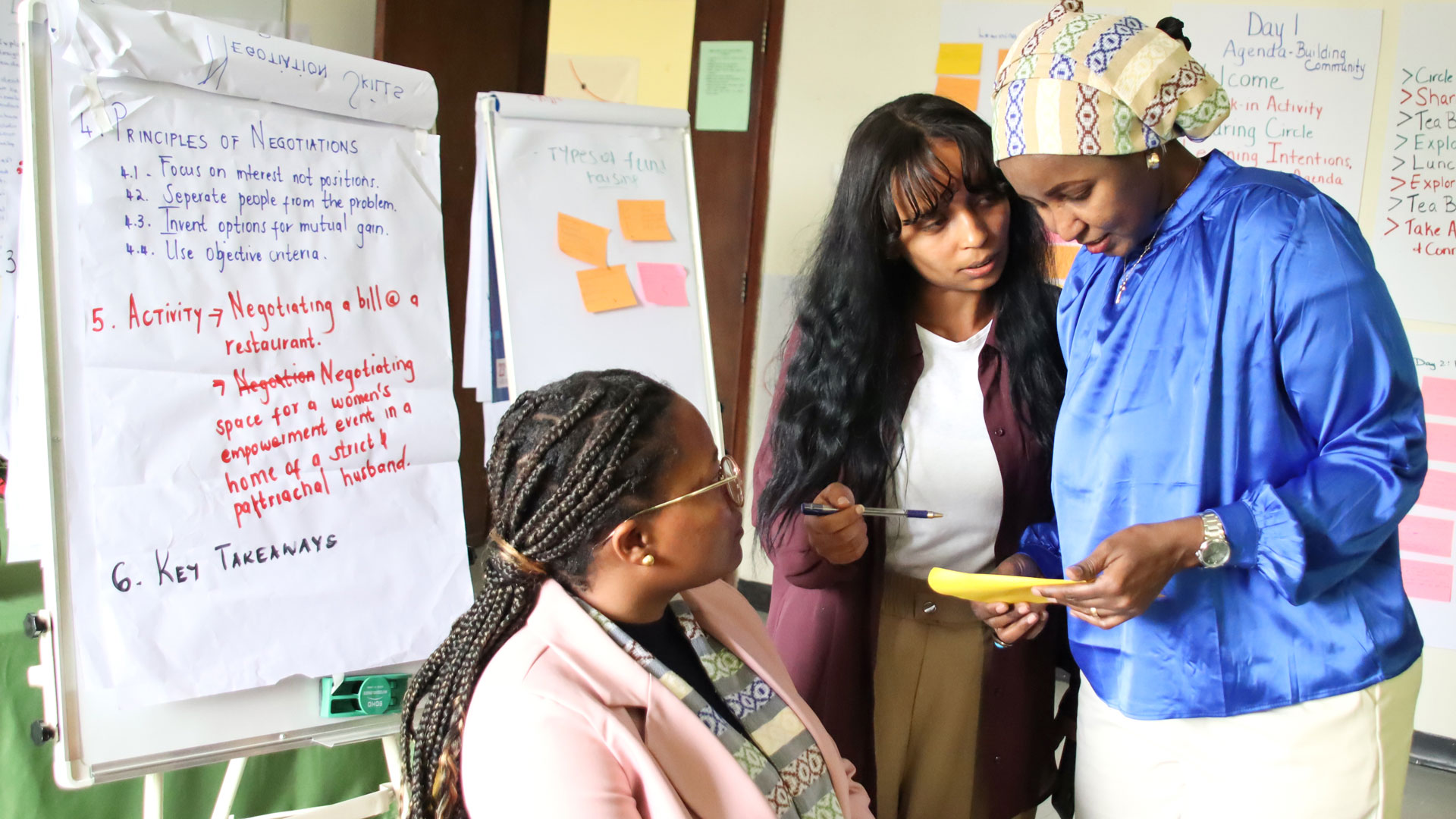
In 2025, Coady Institute offered first Katherine Fleming Leadership Course for Women Leaders in Africa for woman leaders. Individual Katherine Fleming award recipients and leadership course participants continue to work within their organizations and communities to better the lives of youth and women through economic empowerment, protecting children, providing educational opportunities, creating assets, bettering health, and/or promoting gender equality.
Learn more about these women leaders.


News
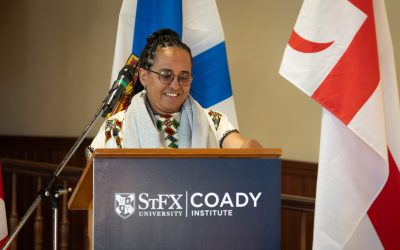
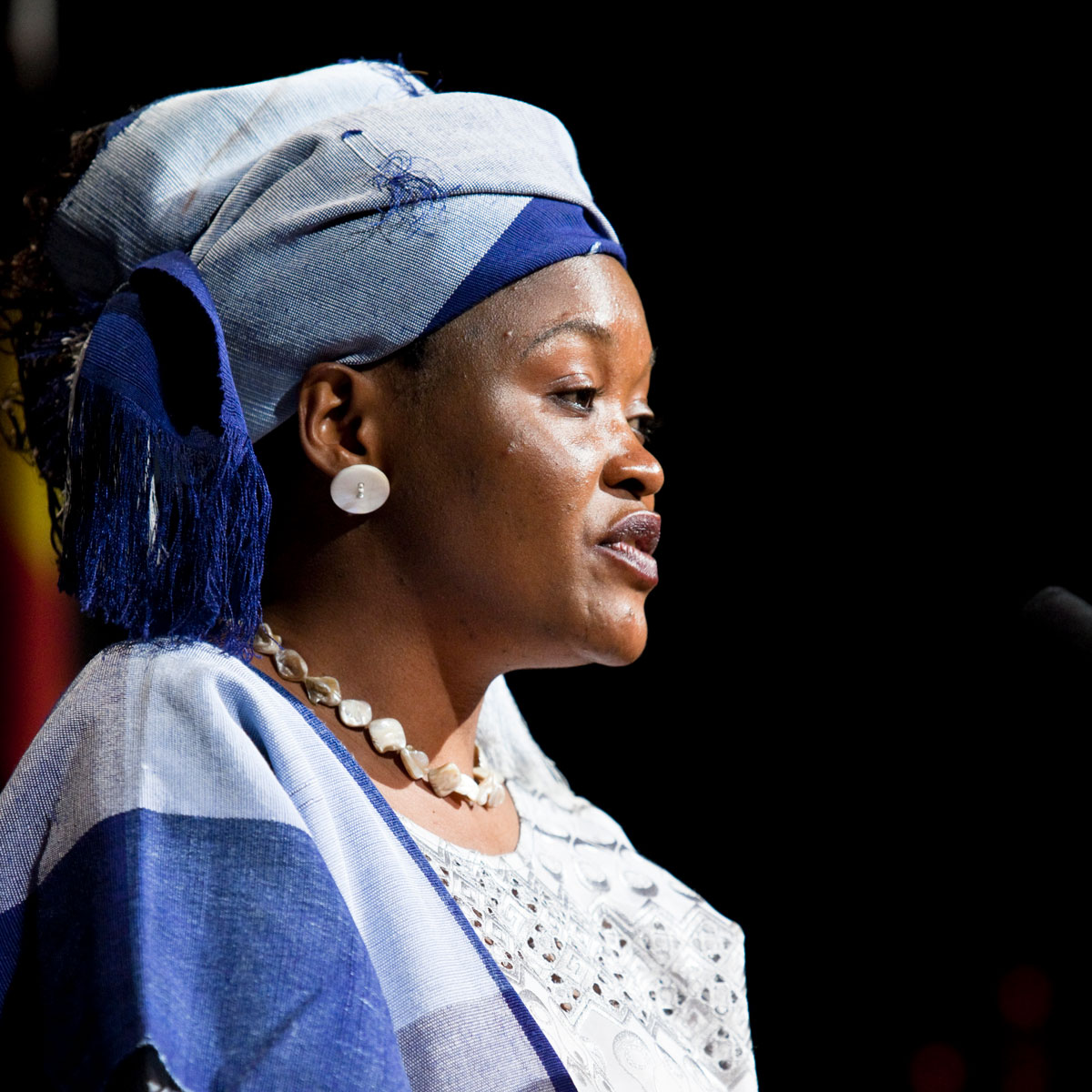
Katherine Fleming Award Continues to Strengthen Communities and Inspire Change
Friends, family, and supporters of the Katherine Fleming International Development Award came together during St. Francis Xavier University homecoming celebrations earlier this month to honour and remember the woman who inspired the award.
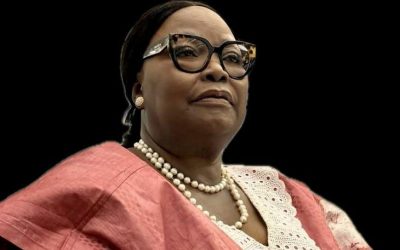
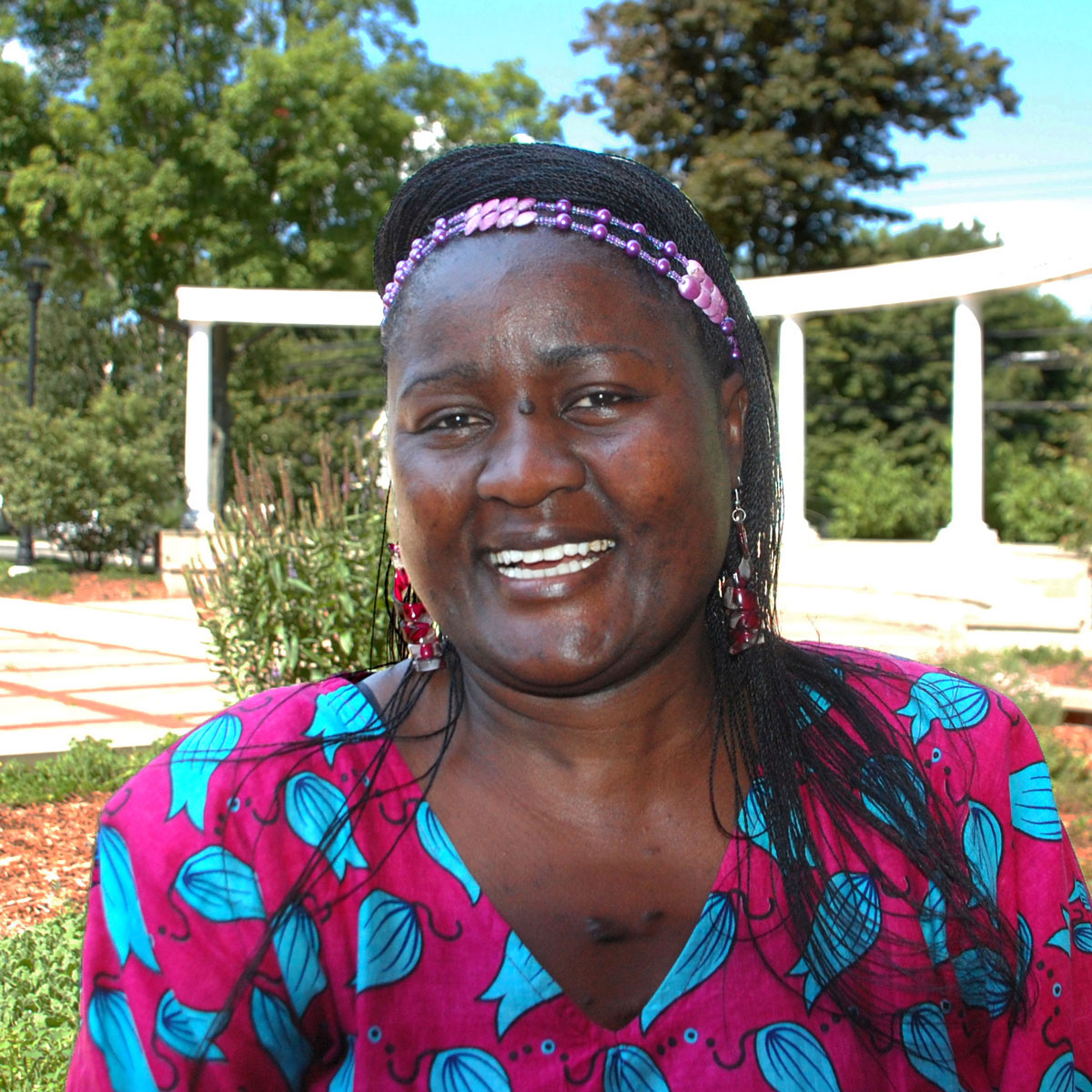
A Lifetime of Advocacy Through Women for Change
For more than two decades, Emily Sikazwe dedicated her life to advancing gender equality and the empowerment of rural communities in Zambia.
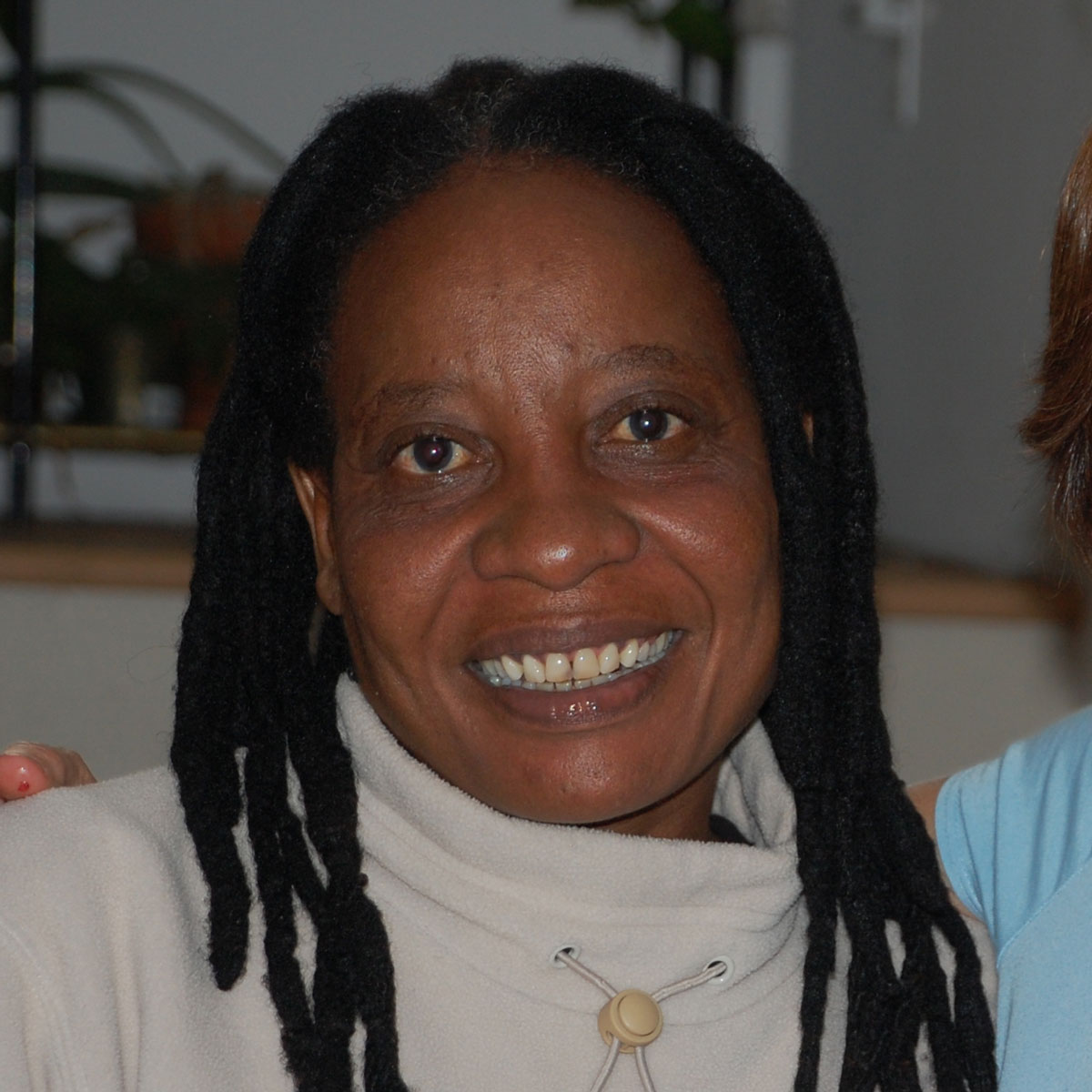
Warm Hearts, Wider Change
Warm Hearts Foundation in Uganda focuses on empowerment through practical tools. From cosmetology and beautification skills to backyard farming and legal literacy, the foundation builds pathways to dignity, income, and self-sufficiency.
2025 Katherine Fleming Leadership Course for Women Leaders
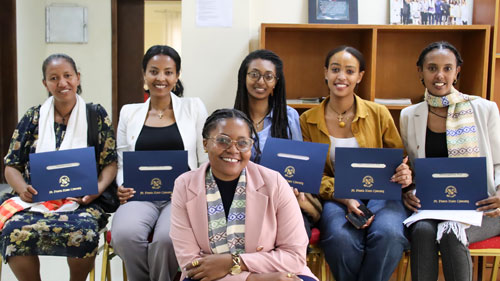
Melesech Jira, Ethiopia
Tsegenet Mulu, Ethiopia
Christine Otinga, Kenya
Susan Mwape, Zambia
Rebecca Karagwa, Uganda
Millicent Kaleem, Ghana
Neo Limpet Thekiso, Botswana
Annet Irene Khaoya, Uganda
Joyce Bazira, Tanzania
Hanadi Abdelraheim, Sudan
Blen Zenebe, Ethiopia
Naomi Belachew, Ethiopia
Palikena Portpher Kaude, Malawi
Anna Sangai, Tanzania
Mariamagdalena Msae, Tanzania
Yordanos Tesfaye, Ethiopia
Sara Fereja, Ethiopia
Haregewayn Belay, Ethiopia
Yisfaalem Gelaye, Ethiopia
Lensa Fogi, Ethiopia
Zegeyesh Taye, Ethiopia
Madeline Zutt, Canada
“The training opened opportunities for collaboration and exchange of experiences in addressing challenges faced by women, regardless of national boundaries. This stems from the reality that the challenges faced by women leaders across African countries are often quite similar.”